Packaging and the Environment: How Does the Material Affect the Climate?

Packaging and the Environment: How Does the Material Affect the Climate?
From grocery shopping to online deliveries and takeout meals, packaging is everywhere. It protects products, keeps food fresh, and makes transport easier—but it also comes with an environmental cost. The type of material used plays a major role in how much CO₂ is emitted and how easily the packaging can be recycled. Let’s take a closer look at how different packaging materials affect the climate and what you, as a consumer, can do to make more sustainable choices.
The Role of Packaging – and Its Challenge
Packaging isn’t just a necessary evil. It helps prevent food waste, which is itself a major contributor to greenhouse gas emissions. If a plastic container keeps your salad fresh for two extra days, it might actually save more CO₂ than it costs to produce. The problem arises when packaging is unnecessary or when it isn’t properly recycled.
In the United States, packaging waste makes up a large portion of municipal solid waste—over 80 million tons each year, according to the EPA. Much of it still ends up in landfills or incinerators. That means the issue isn’t only about what materials we use, but also how we handle them afterward.
Læs også:

Paper and Cardboard – Natural, but Not Always Best
Paper and cardboard are made from wood fibers and are often seen as the most eco-friendly options. They’re biodegradable and can be recycled several times. However, their production requires significant amounts of energy and water, and coatings that make them resistant to grease or moisture can make recycling difficult.
For dry goods like cereal boxes, sandwich wraps, or bakery bags, paper and cardboard are good choices. But for greasy or wet foods, they often need a plastic or wax coating, which reduces their environmental advantage.
Plastic – High Impact, but Highly Efficient
Plastic has a bad reputation, but the picture is more complex. It’s lightweight, durable, and requires less energy to produce than glass or metal. That means lower CO₂ emissions during transport. The real problem comes when plastic isn’t recycled and ends up in landfills or the ocean.
There are many types of plastic, and some—like PET and HDPE—can be effectively recycled if properly sorted. The U.S. recycling rate for plastics, however, remains low, around 9%. New biobased and biodegradable plastics are emerging, but they still require energy to produce and only work as a solution if they’re part of a functioning collection and composting system.
Glass and Metal – Durable, but Heavy
Glass and metal can be recycled almost endlessly without losing quality, making them strong candidates for a circular economy. However, they’re heavy materials, and transporting them produces more CO₂ than lighter alternatives like plastic.
For beverages and products that can be reused many times—such as refillable bottles or aluminum cans—glass and metal remain good choices. The more times the packaging is reused or recycled, the lower its overall climate footprint becomes.
Composite Materials – A Recycling Challenge
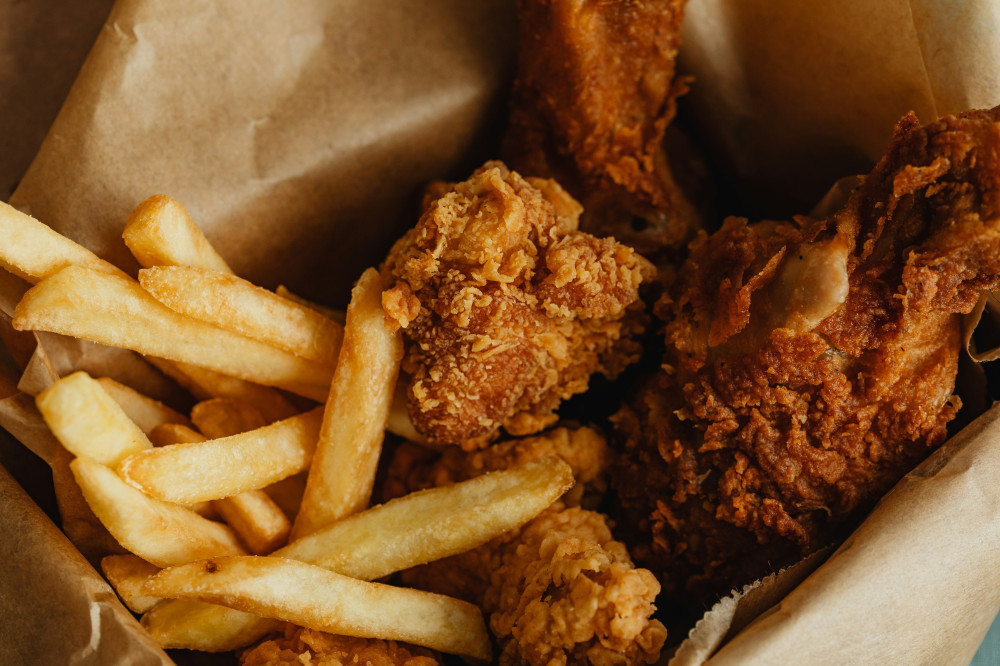
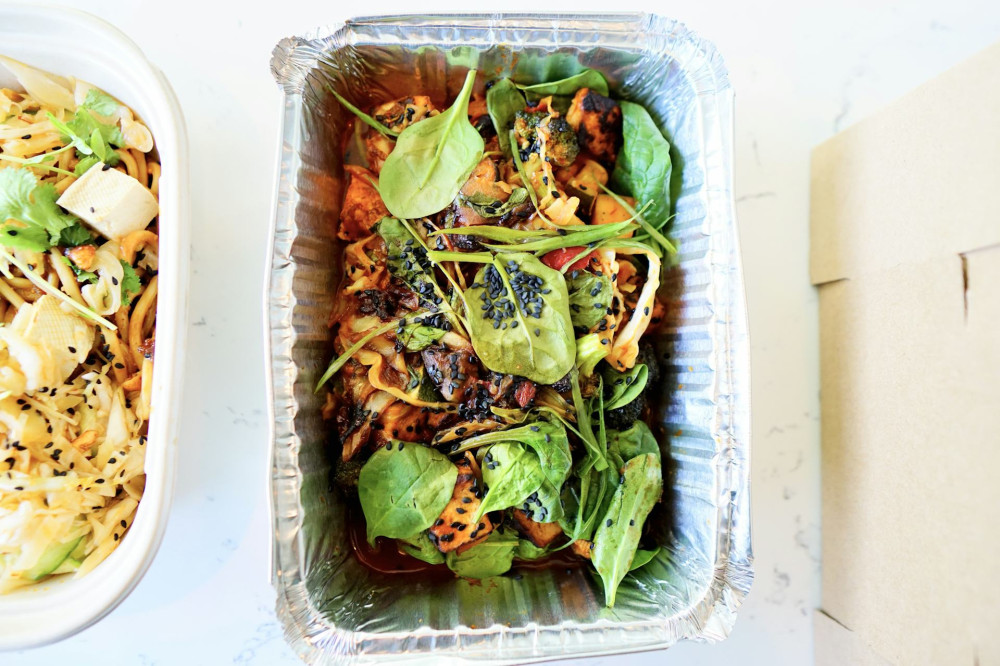
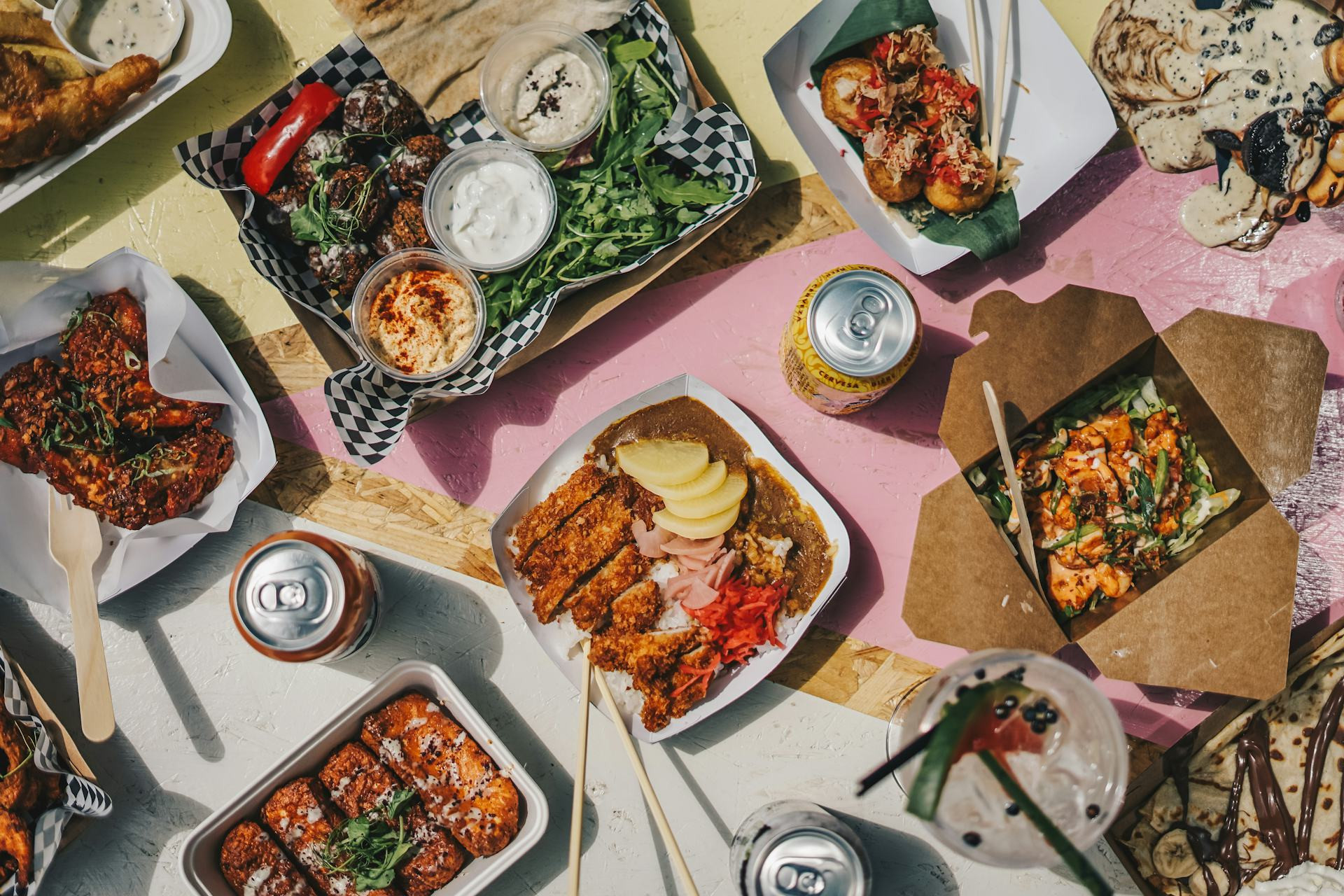
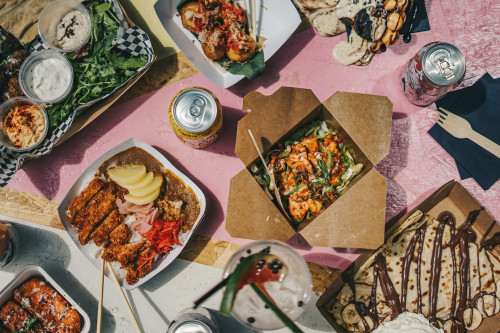
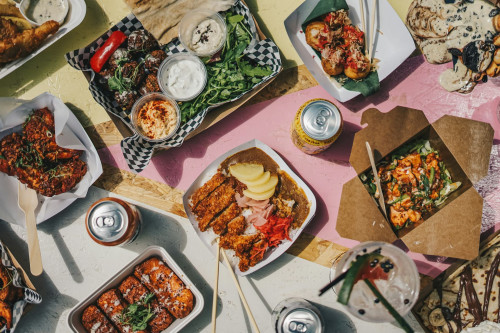
Many types of takeout packaging are made from multiple layers of materials, such as paper with a plastic coating or aluminum foil with paper. These combinations protect food well but are nearly impossible to separate and recycle. As a result, they often end up as landfill waste.
To address this, many companies are developing “monomaterials”—packaging made from a single material that can both protect the product and be easily recycled.
What Can You Do as a Consumer?
While manufacturers and policymakers play a big role, consumers can also make a difference:
- Choose reusable packaging whenever possible—such as glass jars or sturdy plastic containers.
- Recycle properly—empty and clean containers before placing them in the recycling bin.
- Avoid overpackaging—opt for products with minimal wrapping.
- Bring your own containers if your local café or restaurant allows it.
- Support brands that use recycled or certified sustainable materials.
Small everyday choices can add up to a big impact when many people make them.
The Future of Packaging – Circular and Smart
The trend is moving toward circular solutions, where materials are reused again and again. In the U.S., more companies are testing deposit and return systems for takeout packaging, and new technologies are making it easier to recycle plastics and paper. At the same time, federal and state initiatives are pushing for higher recycling rates and more recycled content in packaging.
The goal is clear: less waste, lower CO₂ emissions, and smarter use of resources. But achieving it requires cooperation between producers, consumers, and policymakers.
A Greener Choice Starts with Packaging
Packaging is an unavoidable part of modern life, but it doesn’t have to be a climate culprit. By choosing materials wisely, reusing containers, and recycling correctly, we can all help create a more sustainable future. It’s not about eliminating packaging—it’s about using it smarter.
Læs også: