Behind the Scenes: How Takeout Kitchens Develop Menus That Stay Fresh in Transit

Behind the Scenes: How Takeout Kitchens Develop Menus That Stay Fresh in Transit
When you order takeout, you expect your meal to taste, smell, and look as if it just came out of the kitchen—even after a 20-minute drive across town. But behind that seemingly simple experience lies a complex process. Takeout kitchens across the U.S. invest time, testing, and technology to create menus that stay fresh, crisp, and appetizing, even after a journey through traffic.
From Dine-In Dishes to Delivery-Ready Menus
Not every dish is built for travel. A perfectly seared steak can lose its juiciness, and a crisp salad can wilt if packed incorrectly. That’s why the development of a takeout menu often starts with rethinking classic recipes.
Chefs and food developers test how ingredients respond to time, temperature, and humidity. Some recipes are adjusted—perhaps by using a thicker sauce that won’t separate, or by adding crunchy toppings only right before serving.
“We think in terms of texture and durability, not just flavor,” says a head chef at a popular delivery-only kitchen in Los Angeles. “A dish has to hold up for at least 15 minutes without losing its character.”
Packaging as Part of the Recipe
Packaging plays a much bigger role than most people realize. It must protect the food, maintain temperature, and still allow steam to escape so that crispy items don’t turn soggy.
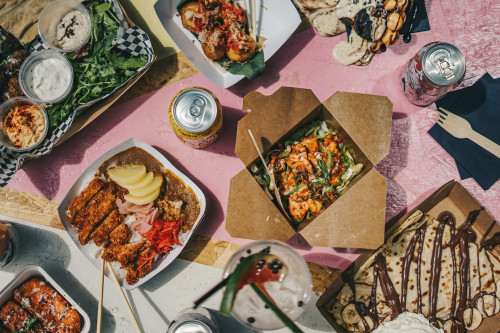
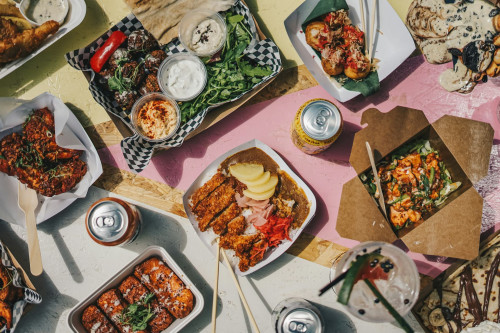
Today, there are specialized containers for everything from sushi to burgers and grain bowls. Some materials have tiny ventilation holes, while others use layered designs to separate hot and cold components.
Many kitchens test packaging as thoroughly as the food itself. They measure temperature loss, moisture levels, and how the meal looks after delivery. The results help refine both recipes and packing methods.
Logistics and Timing: The Invisible Ingredient
Even the best dish can lose its appeal if it’s not delivered on time. That’s why many takeout kitchens work closely with delivery platforms to optimize routes and anticipate peak hours.
Some kitchens prepare food in stages so it’s packed only when the driver is nearby. Others use heated cabinets or cooling modules to keep meals at the right temperature until pickup.
“Timing is everything,” says a logistics manager for a national delivery brand. “We can have the perfect recipe, but if the driver gets stuck in traffic, we need a backup plan.”
Sensors, Data, and Test Deliveries
Technology is playing an increasing role in takeout innovation. Some kitchens use sensors to track temperature and humidity inside packaging during transport. Others run test deliveries, with staff acting as customers to see how the food holds up in real-world conditions.
Data from these tests helps improve both preparation and packaging. Small adjustments—like cutting vegetables differently or changing the order in which items are packed—can make a big difference in freshness and presentation.
Læs også:
Sustainability Meets Quality
While durability used to be the main focus, many kitchens now prioritize sustainability as well. Single-use plastics are being replaced with biodegradable materials, and portion sizes are being fine-tuned to reduce food waste.
The challenge is finding solutions that are both eco-friendly and high-performing. A cardboard box might be sustainable, but if it absorbs moisture, it can ruin the meal. That’s why many kitchens are experimenting with materials like sugarcane fiber, bamboo, and recycled paper with moisture barriers.
The Future of Takeout: Designed for Delivery
Takeout is no longer just about convenience—it’s become a food culture of its own. Many restaurants are now developing dishes specifically for delivery, rather than simply adapting their dine-in menus.
We’re likely to see more “delivery-first” concepts, where entire kitchens are designed around producing food that tastes fresh even after transport. That means new types of dishes, smarter packaging, and closer collaboration between chefs, engineers, and logistics teams.
For customers, that translates into an ever-improving takeout experience—where the hot, crisp, and flavorful meal that arrives at your door is the result of far more than just a quick order.
Læs også: