How Packaging Protects Your Takeout Food – and What You Should Watch Out For

How Packaging Protects Your Takeout Food – and What You Should Watch Out For
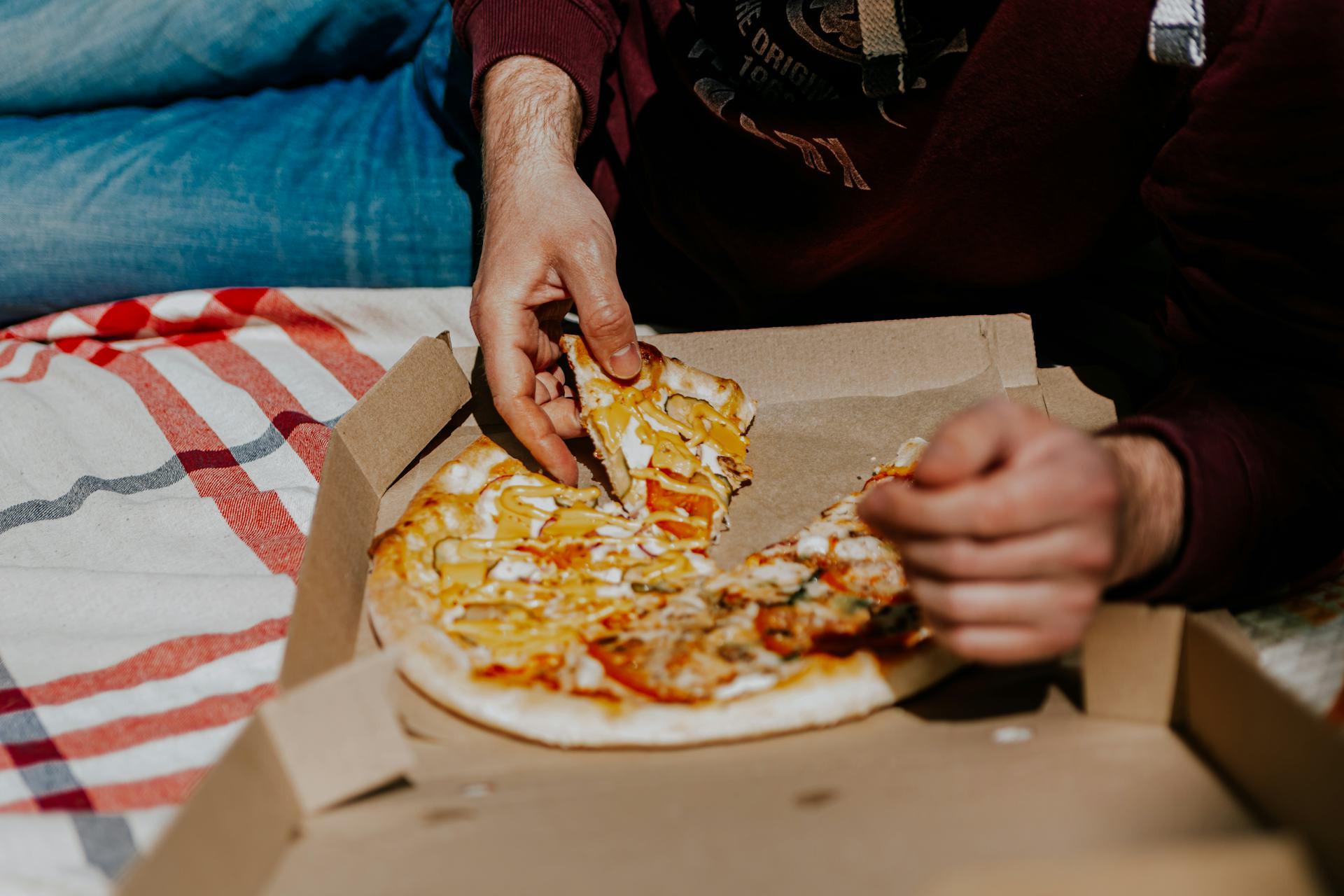
When you order takeout, you probably think most about how good the food will taste and whether it arrives on time. But the packaging that holds your meal plays a much bigger role than you might realize. It doesn’t just keep your food warm and fresh—it also protects it from contamination, prevents spills, and ensures it’s safe to eat. At the same time, growing awareness of environmental and health issues makes it worth knowing what your takeout actually comes in.
The Main Functions of Takeout Packaging
Takeout packaging has to handle a lot at once. It should:
- Protect against contamination – packaging acts as a barrier against dust, dirt, and bacteria during transport.
- Maintain temperature and texture – hot dishes should stay hot, and cold ones should remain crisp and fresh.
- Prevent leaks and spills – especially important for saucy or oily foods.
- Be easy to handle – both for the restaurant staff packing it and for you when you’re ready to eat.
Good packaging should be practical, hygienic, and functional—without compromising the dining experience.
Materials: From Plastic to Paper and Plant-Based Options
Plastic has long been the go-to material for takeout containers because it’s lightweight, inexpensive, and leak-resistant. But plastic also has downsides, especially when it comes to recycling and environmental impact. That’s why more restaurants are turning to alternatives such as:
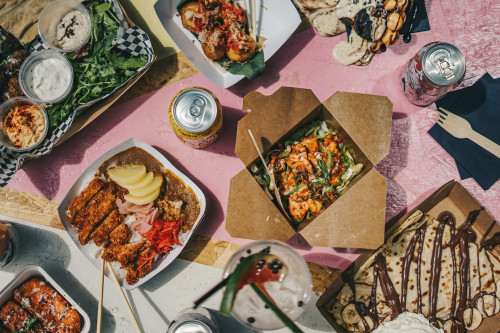
- Paper and cardboard – often coated to resist grease and moisture.
- Plant-based materials – like sugarcane (bagasse), cornstarch, or bamboo, which can be composted under the right conditions.
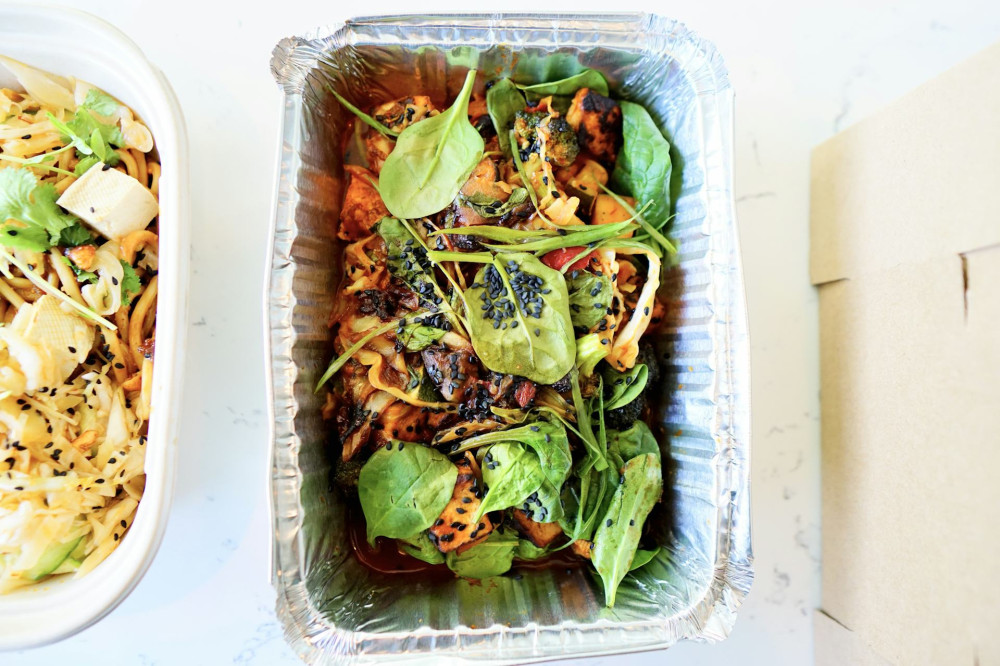
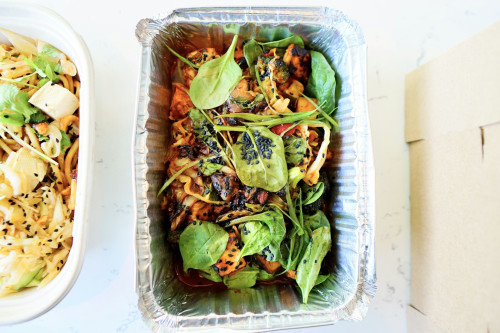
- Aluminum – great for hot dishes since it retains heat well and is widely recyclable.
However, not all “eco-friendly” materials are automatically better. Some require a lot of energy to produce, and others only break down in industrial composting facilities—not in your backyard compost bin.
Læs også:
Chemicals and Food Safety: What to Watch Out For
In recent years, there’s been growing concern about certain chemicals used in food packaging. One group in particular, PFAS (per- and polyfluoroalkyl substances)—sometimes called “forever chemicals”—has drawn attention. These compounds make packaging resistant to grease and water, but they can accumulate in the body and the environment.
Several U.S. states, including California, New York, and Washington, have passed laws restricting or banning PFAS in food packaging. Still, some imported or older packaging may contain them. When possible, choose restaurants that clearly state they use PFAS-free packaging.
Other substances, such as plasticizers or printing inks, can also migrate into food if the packaging isn’t designed for food contact. Reputable suppliers follow FDA regulations for food-safe materials, so it’s worth supporting restaurants that take packaging safety seriously.
Environmental Impact and Recycling
Takeout packaging waste is one of the biggest challenges in the food industry. Many containers end up in landfills even though they could be recycled. To make a difference:
- Recycle properly – empty containers of food residue and place them in the correct recycling bin.
- Skip unnecessary extras – say no to plastic utensils, straws, and napkins if you’re eating at home.
- Support restaurants using reusable or returnable containers – some cities and delivery services are piloting return systems where you drop off containers for cleaning and reuse.
These small steps can help reduce waste and support a more circular economy.
Keeping Your Food at Its Best
Even the best packaging can’t perform miracles if the food sits too long. To keep your meal tasting great:
- Eat your food soon after delivery—hot dishes lose texture and flavor quickly.
- Avoid storing hot food in plastic containers for long periods; transfer it to glass or ceramic instead.
- If you’re saving leftovers, cool them quickly and store them in airtight containers in the fridge.
That way, you’ll get the most out of both your meal and its packaging—without compromising safety or taste.
The Future of Takeout Packaging
Innovation in packaging is moving fast. New materials, smarter designs, and more sustainable systems are emerging. We’re already seeing containers that can dissolve in water, be composted at home, or be reused multiple times. Researchers and manufacturers are also working to make recycling simpler and more efficient.
As a consumer, you can help drive this change by choosing restaurants that prioritize sustainability and by asking questions about how your food is packaged.
A Small Choice That Makes a Big Difference
Packaging might not be the first thing you think about when you order takeout, but it has a big impact on your food’s quality, your health, and the environment. By paying attention to materials, labeling, and recycling, you can make more informed choices—without giving up convenience.
So next time you order your favorite meal, you can enjoy it knowing you’ve also thought about what it came in.
Læs også: