Leftovers Meet Takeout – How to Avoid Food Waste and Create Delicious New Dishes

Leftovers Meet Takeout – How to Avoid Food Waste and Create Delicious New Dishes
Food waste is one of the biggest challenges in American households today – it’s bad for the planet and for your wallet. At the same time, takeout has become a go-to solution for busy days when cooking feels impossible. But what if those two worlds could meet? What if last night’s leftovers could be turned into new, crave-worthy dishes inspired by your favorite takeout flavors? Here’s how to combine leftovers and takeout thinking to save money, reduce waste, and keep your meals exciting.
Think Like a Takeout Chef
When you order takeout, the dishes often revolve around a few key ingredients, but with bold flavors and creative combinations. You can bring that same mindset into your own kitchen. Look at your leftovers as building blocks: rice, pasta, veggies, meat, or sauce can all be transformed with a little imagination.
- Leftover rice can become fried rice with eggs, veggies, and soy sauce – a nod to your favorite Chinese takeout.
- Cooked potatoes can turn into crispy oven fries or a hearty breakfast hash.
- Roasted vegetables can be repurposed into wraps, grain bowls, or quesadillas – just like your favorite food truck fare.
It’s all about seeing potential instead of scraps. With a few spices and a new presentation, you can create something that feels completely fresh.
Use Takeout as Inspiration – Not a Replacement
Takeout doesn’t have to compete with home cooking. In fact, it can inspire it. Next time you order, pay attention to how the dish is built: What flavors stand out? What sauces or toppings make it special? You can often recreate that same experience at home using what you already have.
For example, if you have leftover chicken and vegetables, turn them into a “bowl” with rice, a drizzle of dressing, and a crunchy topping – inspired by poke or burrito bowls. Or take leftover pasta and bake it with cheese and breadcrumbs for a comforting casserole. It’s a simple way to enjoy takeout-style satisfaction without the extra packaging or cost.
Plan Ahead with Leftovers in Mind
One of the best ways to cut down on food waste is to plan for leftovers from the start. When you cook, think about how the extras can be used the next day. Roast a big batch of chicken that can later become tacos, salads, or stir-fry. Cook extra grains or beans to mix into soups or wraps later in the week.
You can even schedule “leftover nights” in your weekly meal plan – days dedicated to combining and reinventing what’s already in your fridge. It makes life easier, saves money, and keeps your meals interesting.
Læs også:
Give Leftovers a Flavor Boost
What often sets takeout apart from home-cooked meals is the intensity of flavor. Luckily, it’s easy to give your leftovers a boost with a few simple tricks:
- Fresh herbs like cilantro, parsley, or basil add brightness.
- A splash of lemon juice or vinegar can wake up even the heaviest dishes.
- Spices and sauces like chili flakes, curry paste, tahini, or soy sauce can completely change the flavor profile.
- Crunchy toppings like nuts, seeds, or croutons add texture and excitement.
With just a few tweaks, you can turn a tired dish into something you’ll actually look forward to eating.
Make Leftovers Easy to Use
One reason many people end up tossing food is that leftovers get forgotten. Keep them visible and easy to grab. Store them in clear containers and label them with the date so you know what needs to be eaten first. You can also freeze small portions of cooked veggies, meat, or sauce to use later in soups, stews, or casseroles.
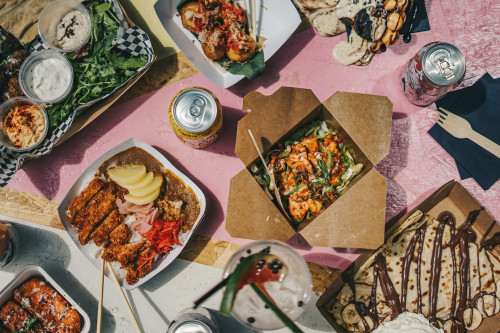
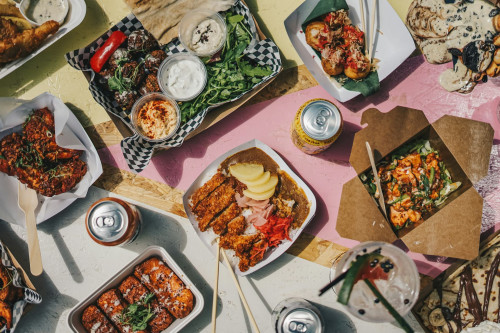
A fun idea is to have a “clean-out-the-fridge” night once a week. Lay out all your leftovers and create a mini buffet of small dishes. It feels a bit like ordering a variety of takeout items – but without the waste.
Enjoy Food with Intention
Blending leftovers with takeout-inspired creativity isn’t just about saving money or reducing waste. It’s about rediscovering the joy of cooking – finding creativity in simplicity and realizing that sustainability can taste amazing. When you learn to use what you already have, cooking becomes easier, cheaper, and more satisfying.
So next time you open the fridge and see a few random leftovers, ask yourself: what kind of takeout dish could this become?
Læs også: