When Has Your Drink Gone Bad? Learn to Spot the Signs and Avoid Waste

When Has Your Drink Gone Bad? Learn to Spot the Signs and Avoid Waste
Most of us have pulled a forgotten bottle of juice, soda, or wine from the back of the fridge and wondered, “Is this still okay to drink?” Many beverages last longer than we think—but sometimes it’s best to pour them out. Knowing the difference can save you from an upset stomach and help reduce unnecessary waste. Here’s how to tell when your drink has gone bad and when it’s still safe to enjoy.
Understanding Date Labels
In the U.S., you’ll often see two types of dates on beverage packaging: “Best By” and “Use By.”
- “Best By” indicates when the product will be at its peak quality. After that date, the flavor or texture may change, but the drink is often still safe if it’s been stored properly.
- “Use By” is the manufacturer’s recommendation for the last day the product should be consumed for safety reasons—especially for perishable drinks like fresh juice, milk-based beverages, or smoothies. Once that date passes, it’s best not to take chances.
Date labels are helpful guides, but they’re not absolute. Your senses are often the best tools for judging freshness.
Trust Your Senses
When in doubt, look, smell, and taste carefully. Most drinks give clear signs when they’ve gone bad.
- Appearance: If the liquid looks cloudy, has sediment, or shows unexpected bubbles or foam, it may be spoiled.
- Smell: A sour, fermented, or metallic odor is a strong warning sign.
- Taste: If the flavor is off—sour, bitter, or flat—it’s time to stop drinking.
Even small changes can signal bacterial or yeast growth, especially in drinks with natural sugars.
Læs også:

How Long Common Drinks Last
Shelf life depends on both the type of beverage and how it’s stored. Here are some general guidelines:
- Soda and sparkling water: Unopened bottles can last months past the “Best By” date, though carbonation fades over time. Once opened, drink within a few days.
- Juice: Freshly squeezed juice should be consumed within a few days. Pasteurized juice lasts about 5–7 days after opening if kept refrigerated.
- Milk-based drinks and smoothies: Always follow the “Use By” date. These can spoil quickly.
- Wine: Once opened, wine typically lasts 2–5 days depending on the type and storage. White and rosé should be refrigerated; red wine can stay at room temperature for a few days.
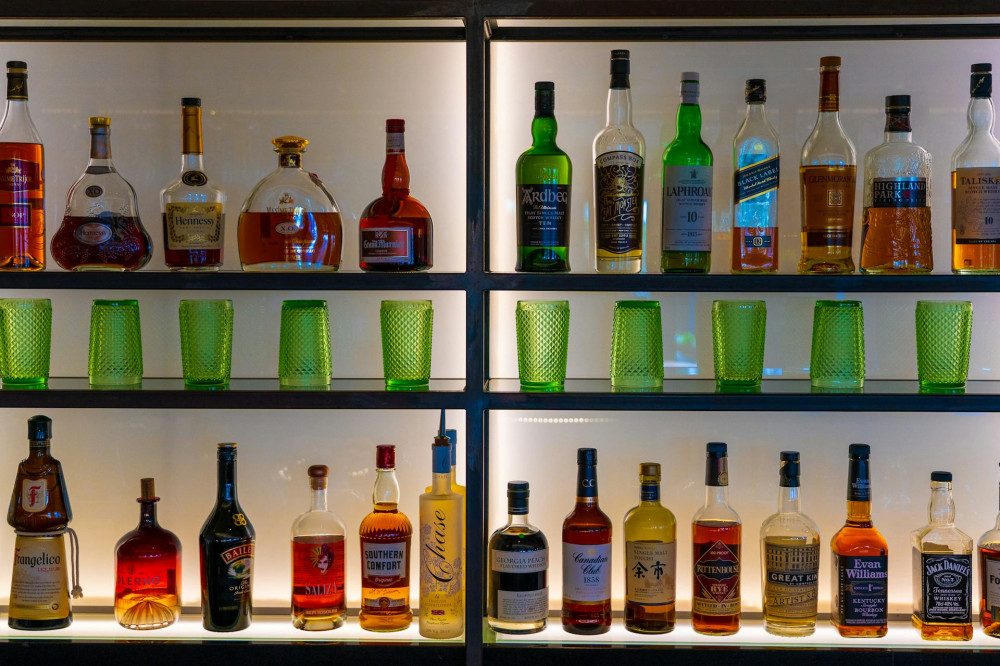
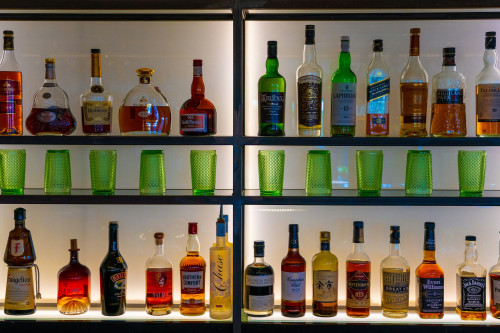
- Spirits: High-alcohol beverages last for years, though flavor may change if the bottle isn’t tightly sealed.
- Coffee and tea: Brewed coffee and tea are best enjoyed the same day. Ground coffee and tea leaves can last for months if stored in a cool, dark, dry place.
Storage Makes the Difference
Even the freshest drink can spoil if stored improperly. Follow these simple tips:
- Keep cold drinks cold: Don’t leave refrigerated beverages out for long periods.
- Seal containers tightly: Air and light speed up deterioration.
- Avoid temperature swings: Repeated warming and cooling can cause fermentation or flavor loss.
- Use clean glasses and don’t pour back leftovers: Bacteria from your mouth can make drinks spoil faster.
A handy trick is to mark the date you opened a bottle so you know how long it’s been in the fridge.
Reducing Waste
Many drinks get tossed even though they’re still fine. To cut down on waste:
- Freeze leftover juice or wine in ice cube trays for later use in cooking or cocktails.
- Use flat soda in pancake batter or marinades.
- Turn slightly stale tea into homemade iced tea.
A little creativity can save money and reduce what ends up in the trash.
Use Common Sense—and Trust Your Nose
There’s no single rule for when a drink is too old, but with a bit of attention and your natural senses, you can usually tell. If something smells or tastes off, don’t risk it—but remember, many beverages stay good well past their printed date.
Recognizing the signs isn’t just about safety; it’s also about making the most of what you have. A drink that’s still good deserves to be enjoyed—not wasted.
Læs også: