What Makes a Wine Bar Unique? How It Differs from Cafés and Cocktail Bars

What Makes a Wine Bar Unique? How It Differs from Cafés and Cocktail Bars
Over the past decade, wine bars have become a familiar sight in many American cities. From cozy neighborhood spots to sleek urban lounges, they often sit alongside cafés and cocktail bars—but the experience they offer is something entirely their own. Where a café invites you to linger over coffee and conversation, and a cocktail bar dazzles with energy and flair, a wine bar is about slowing down, exploring flavor, and savoring the moment. So what exactly makes a wine bar unique—and why are more people choosing to spend their evenings there?
An Atmosphere of Calm and Connection
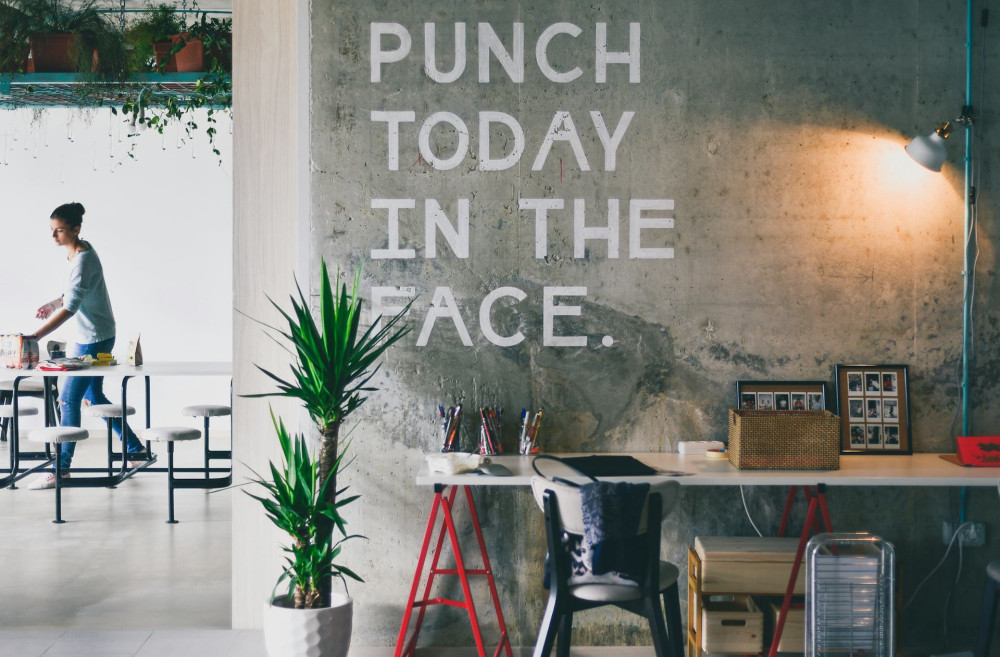
The first thing you notice when you walk into a wine bar is the mood. The lighting is soft, the music low, and the pace unhurried. It’s a place designed for conversation, not competition with loud beats or crowded dance floors. Whether you’re meeting a friend after work or enjoying a quiet date night, a wine bar offers a sense of ease that’s hard to find elsewhere.
Many guests describe it as a kind of “social relaxation”—a space that feels both intimate and communal. You can unwind, talk, and take your time. That balance between comfort and sophistication is what makes wine bars appealing to couples, friends, and colleagues alike.
A Focus on Taste and Story
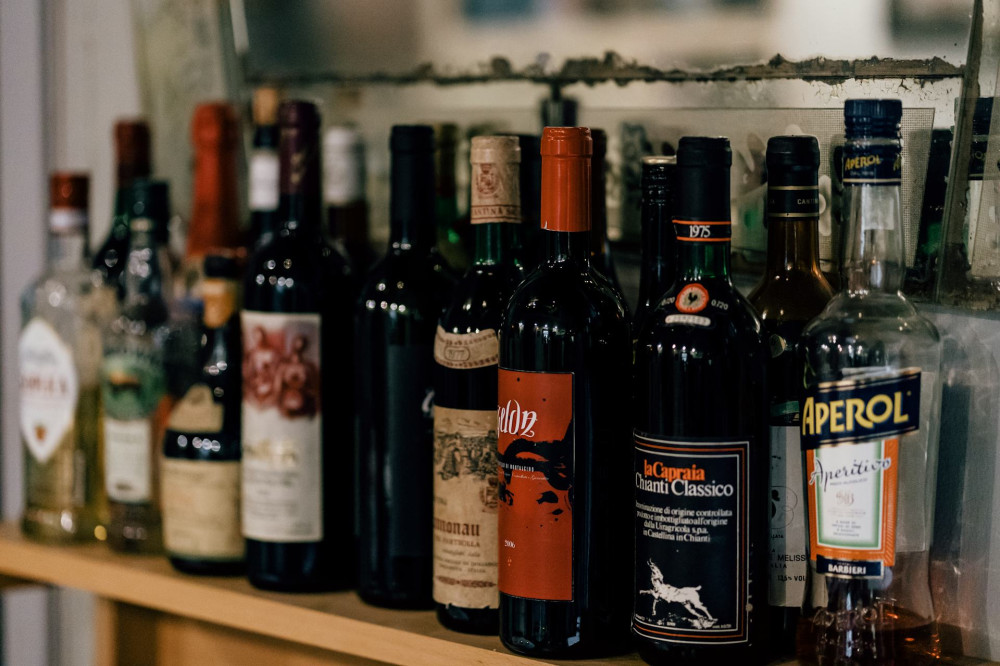
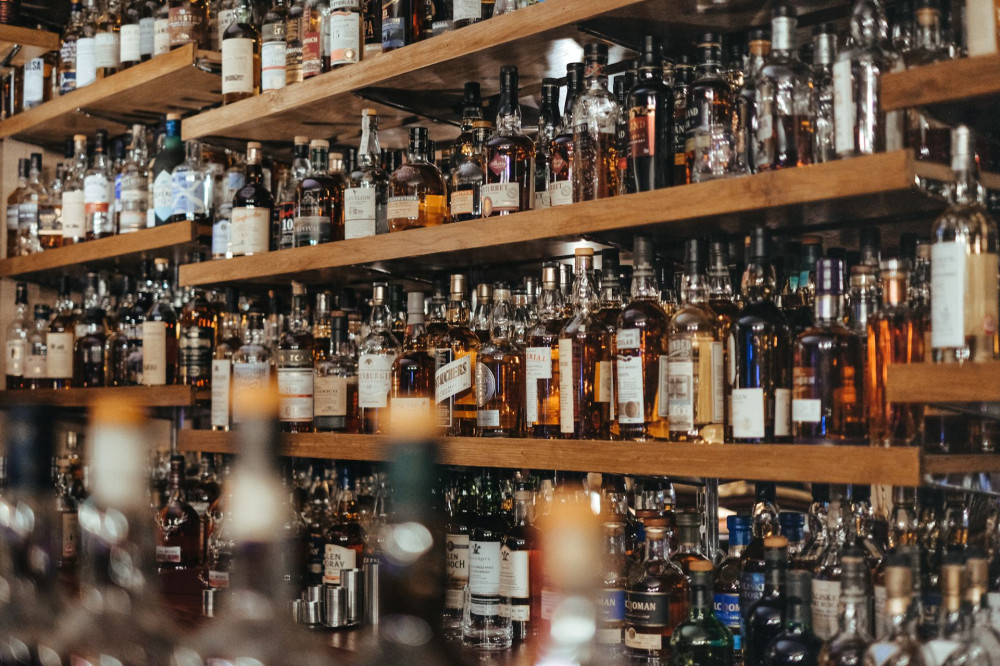
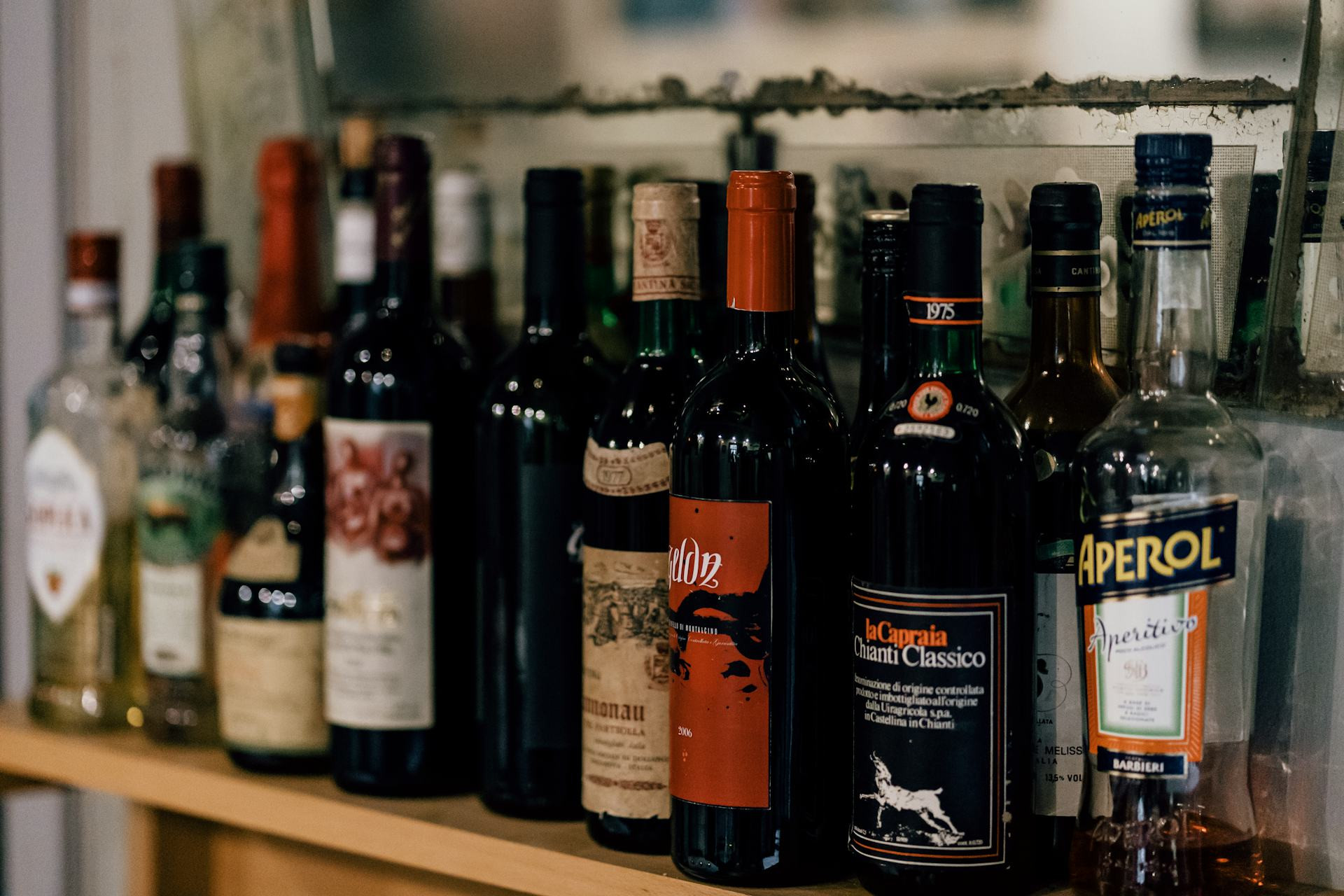
While cafés revolve around coffee and cocktail bars around mixology, wine bars are built around the world of wine. It’s not just about drinking—it’s about tasting. The staff, often sommeliers or passionate wine enthusiasts, guide guests through the menu, sharing stories about grape varieties, regions, and winemakers. They help you find a wine that fits your mood, your meal, or your curiosity.
Many wine bars offer tasting flights or wines by the glass, allowing guests to explore without committing to a full bottle. This makes the experience approachable and educational, even for those who don’t consider themselves wine experts. A good wine bar demystifies wine culture, turning it from something exclusive into something inviting.
Food as a Supporting Role
Unlike restaurants, where food takes center stage, wine bars treat food as a complement to the wine. You’ll often find small plates, cheese boards, or charcuterie designed to enhance the flavors in your glass rather than overshadow them. The pairings are intentional—each bite meant to bring out new notes in the wine.
This approach keeps the experience light yet satisfying. Many wine bars emphasize local ingredients and seasonal menus, reflecting the same craftsmanship and care that define the wines they serve.
Læs også:

How Wine Bars Differ from Cafés and Cocktail Bars
Though all three are places to gather over a drink, cafés, cocktail bars, and wine bars each have their own rhythm and purpose.
- The café is casual and daytime-oriented. It’s where you grab a latte, work on your laptop, or meet a friend for brunch. It’s social, but also practical—a part of everyday life.
- The cocktail bar comes alive at night. It’s about creativity, energy, and entertainment. The music is louder, the drinks more theatrical, and the vibe more festive.
- The wine bar sits somewhere in between. It’s neither as bustling as a cocktail bar nor as utilitarian as a café. It invites reflection, conversation, and appreciation—often at a slower, more mature pace.
A Growing Culture
Wine bars are no longer limited to big cities or wine-country towns. Across the U.S., they’re popping up in smaller communities, each with its own personality—from rustic natural wine spots to elegant lounges featuring classic vintages. What unites them is a shared commitment to quality, authenticity, and experience.
They’ve also taken on a new social role. For many, a wine bar is the perfect middle ground between staying in and going out—a place to connect without the pressure of a full night on the town. Some people stop by before dinner; others make it the main event.
The Wine Bar Experience
Ultimately, visiting a wine bar is about more than wine. It’s about atmosphere, curiosity, and connection. It’s a space where you can learn something new, taste something unexpected, and share the experience with others. The best wine bars make you feel both welcome and inspired—whether you’re a seasoned connoisseur or just discovering the difference between Pinot Noir and Cabernet Sauvignon.
A wine bar isn’t just a place to drink—it’s a place to experience. It blends flavor, culture, and community in a way that’s uniquely its own. And that’s what makes it special.
Læs også: