From Spring Water to Kombucha – The Evolution of Beverages Through History

From Spring Water to Kombucha – The Evolution of Beverages Through History
From the first humans who drank straight from rivers and springs to today’s endless selection of craft coffees, energy drinks, and fermented teas, the story of beverages is deeply intertwined with human progress. Every era has had its favorite drinks, shaped by climate, technology, culture, and trade. Here’s a look at how our drinking habits have evolved through time—and what they reveal about us as a society.
Water – The Source of Life
For thousands of years, water was humanity’s only beverage. It was essential for survival, yet not always safe to drink. As people began settling in larger communities, clean water became a challenge. Contaminated sources and poor sanitation led to disease, prompting the search for safer, longer-lasting alternatives.
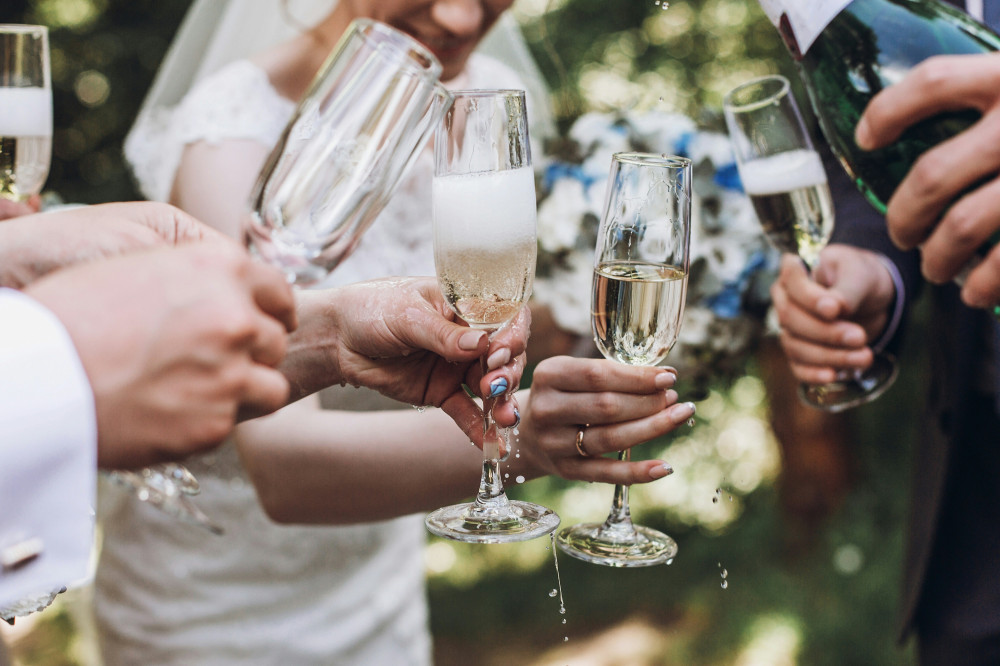
Ancient civilizations like Egypt and Mesopotamia discovered fermentation—turning grains and fruits into beverages that were not only flavorful but also safer to consume. Thus, beer and wine were born.
Beer and Wine – The Drinks of Civilization
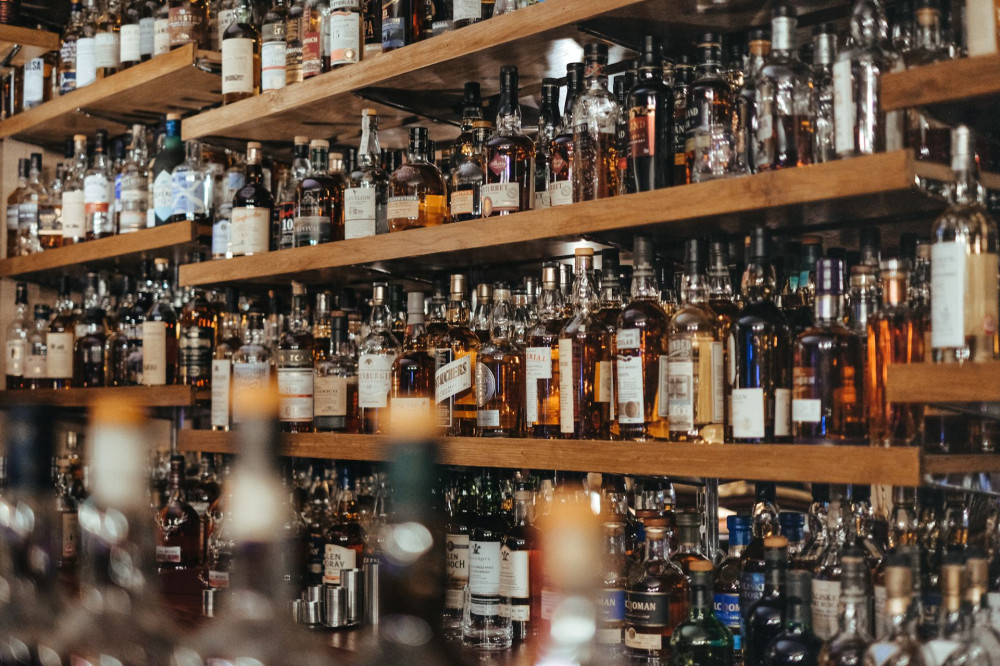
As early as 5,000 years ago, Egyptians brewed beer from barley and emmer wheat, while Greeks and Romans perfected the art of winemaking. These drinks became part of daily life—not just for pleasure, but as vital sources of nutrition. Beer and wine provided calories, vitamins, and minerals, and could be stored far longer than water.
During the Middle Ages, European monasteries became centers of brewing and winemaking. Monks refined recipes that still inspire many of today’s classic beer styles. Wine, meanwhile, became central to Christian rituals, ensuring its continued cultural importance across Europe.
Coffee, Tea, and Chocolate – The Age of Global Trade
The 17th century brought a wave of new beverages through global trade. Coffee from Arabia, tea from China, and cacao from the Americas reached Europe and, eventually, the New World. These drinks quickly became symbols of sophistication and intellect. Coffeehouses and teahouses emerged as hubs for conversation, politics, and commerce—places where ideas flowed as freely as the drinks themselves.
Caffeine’s stimulating effect suited an era of exploration, science, and industry. Water and wine remained staples, but coffee and tea became the beverages of modernity—fueling revolutions, both intellectual and industrial.
Læs også:

The Industrial Age – Soda and Mass Production
The 19th century transformed the beverage world once again. Advances in chemistry and manufacturing led to the discovery of carbonation, giving rise to the first sodas. American pharmacists experimented with herbs, syrups, and flavorings, creating iconic brands that still dominate shelves today.
At the same time, pasteurization and bottling technologies made it possible to produce and distribute milk, juice, and beer on a massive scale. Beverages became big business, and advertising began shaping public taste—turning drinks into cultural symbols as much as refreshments.
Health, Sustainability, and Modern Trends
In the 20th and 21st centuries, beverages have taken on new meanings. Where earlier generations drank to survive, we now drink to express identity, lifestyle, and values. Bottled water became a symbol of purity and health, while energy drinks and smoothies reflect a culture of speed and performance.
Recently, fermented beverages like kombucha and kefir have surged in popularity. They blend ancient techniques with modern wellness ideals and environmental awareness. At the same time, Americans are showing renewed interest in local production, natural ingredients, and sustainable packaging.
From Necessity to Enjoyment
The history of beverages mirrors humanity’s relationship with nature, technology, and culture. From the simplicity of spring water to the complexity of kombucha, we’ve always sought drinks that quench more than just thirst—they tell a story about who we are.
Today, we stand in a new era where innovation and tradition meet in every glass. Perhaps it’s in our choice of drink that we can best see how the past, present, and future continue to flow together.
Læs også: