What Is Healthy Food, Really? How to Use Your Knowledge in Everyday Life

What Is Healthy Food, Really? How to Use Your Knowledge in Everyday Life
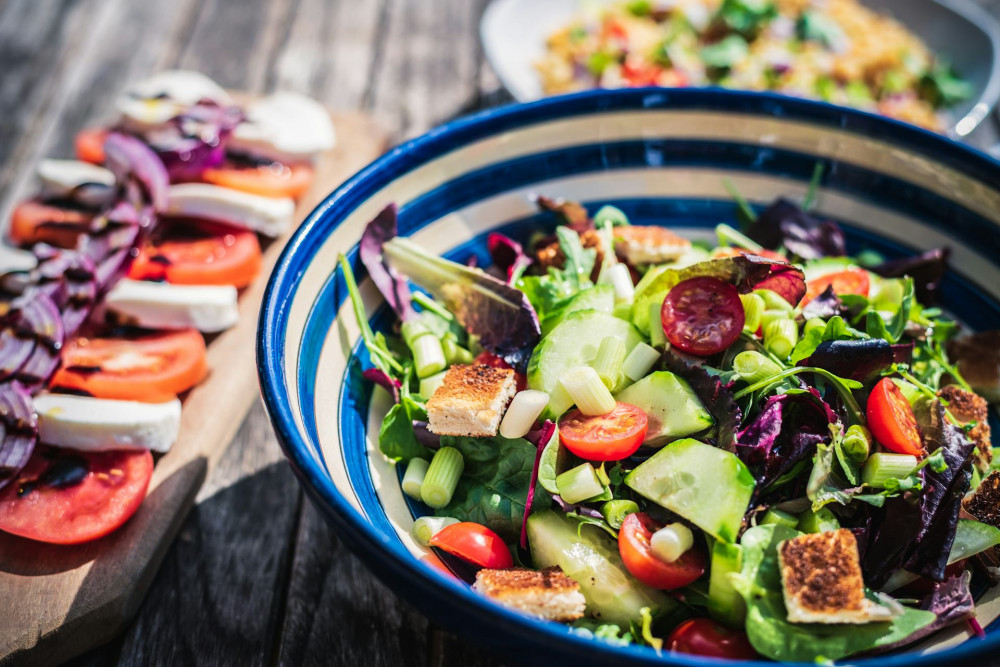
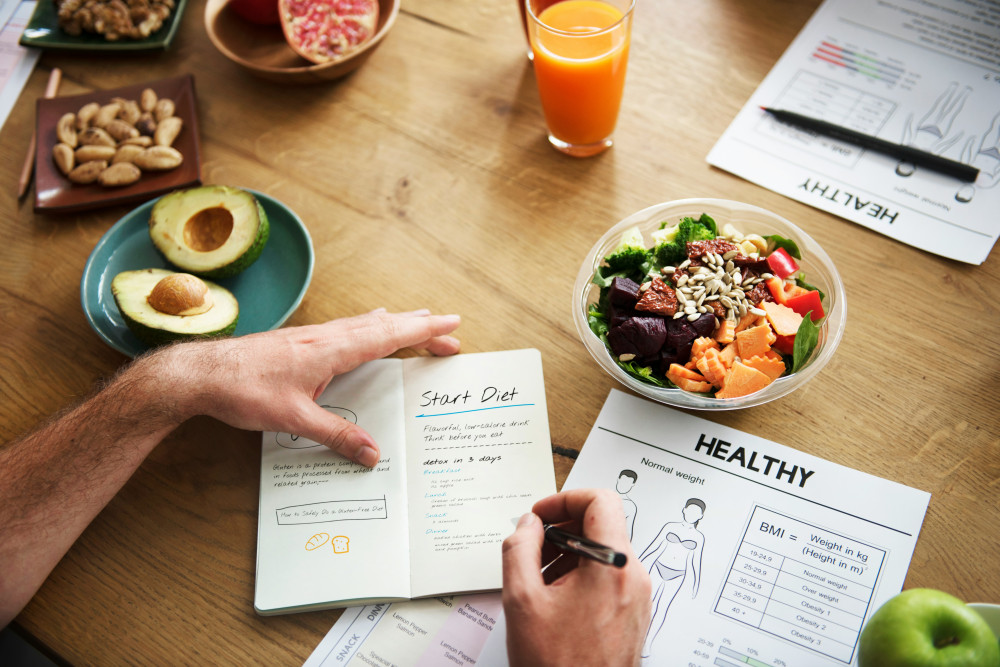
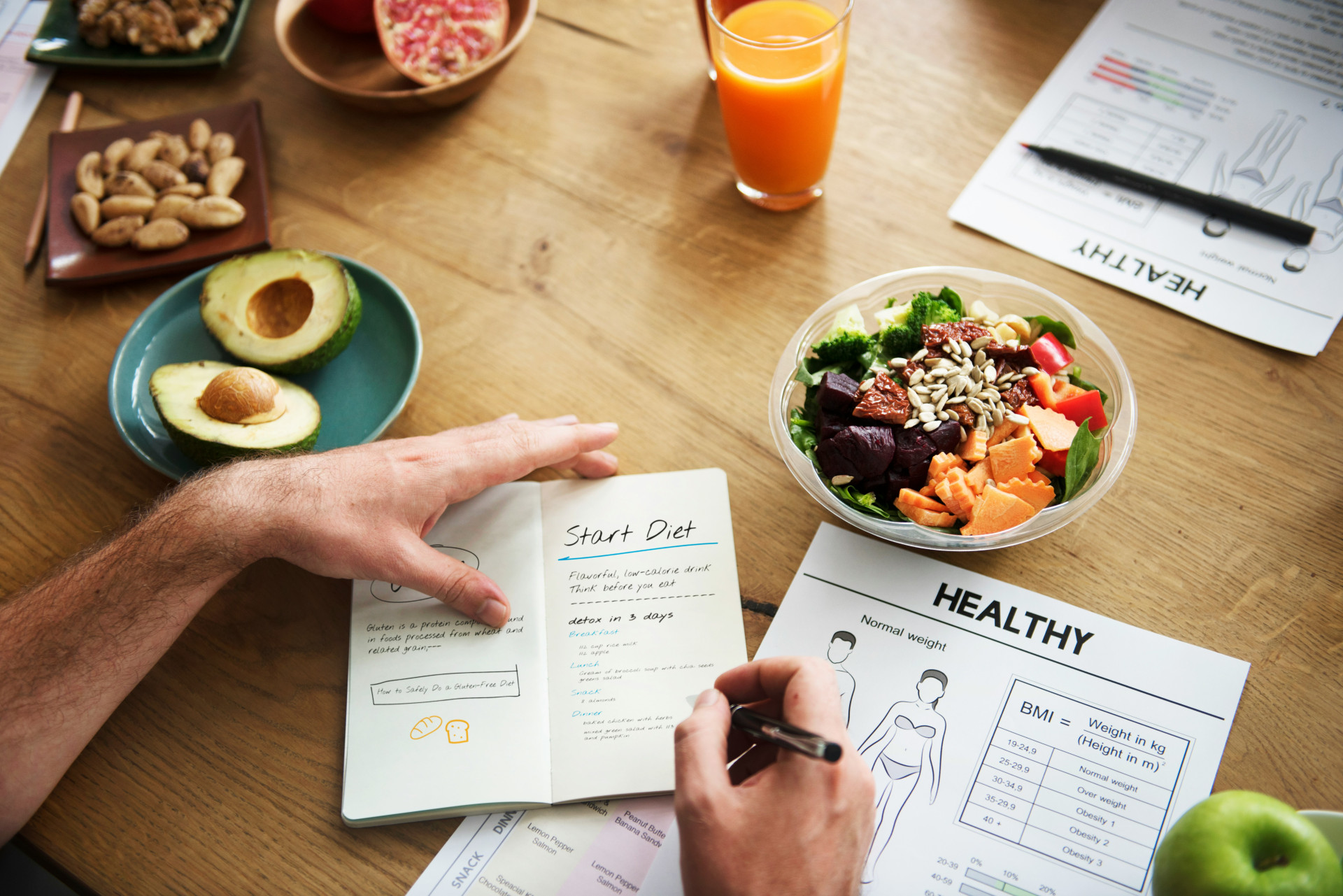
The term “healthy food” is everywhere—on social media, in grocery store ads, and in conversations about wellness. But what does it actually mean? Is it just about eating vegetables and whole grains, or does it also include balance, enjoyment, and habits? In this article, we’ll take a closer look at what healthy food really is and how you can use that knowledge in your everyday life—without making it complicated or extreme.
Healthy Eating Is About the Big Picture—Not Restrictions
Healthy eating isn’t a strict diet or a list of “good” and “bad” foods. It’s about the overall pattern of what you eat over time. A balanced diet that provides the nutrients your body needs matters far more than any single meal.
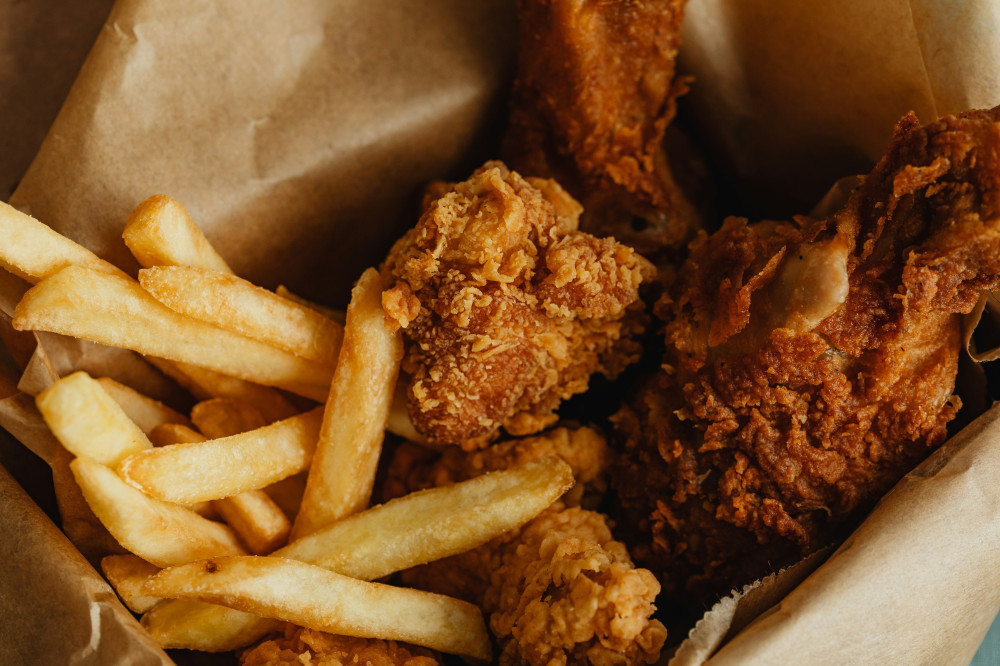
The Dietary Guidelines for Americans offer a good starting point: focus on fruits and vegetables, choose whole grains, limit added sugars and highly processed foods, and make water your main drink. But healthy eating also means enjoying a slice of cake or a burger now and then—without guilt. Balance is what counts.
Know the Building Blocks
To understand what your body needs, it helps to know the basic nutrients:
- Carbohydrates provide energy for your brain and muscles. Choose whole grains, fruits, and vegetables instead of refined sugars.
- Protein builds and repairs tissues. You’ll find it in meat, fish, eggs, dairy, beans, and nuts.
- Fat is essential for hormone balance and vitamin absorption. Go for unsaturated fats from sources like fish, olive oil, nuts, and avocados.
- Vitamins and minerals are found in fruits, vegetables, whole grains, and dairy products—and they’re vital for everything from your immune system to your bones.
When you eat a variety of foods, you naturally get most of what your body needs—no calorie counting or nutrient tracking required.
Turning Knowledge Into Action
Knowing what’s healthy is one thing. Making it work in daily life is another. Here are some simple ways to put your knowledge into practice:
- Plan your meals. Having a rough idea of what you’ll eat during the week makes grocery shopping easier and helps you avoid last-minute fast food runs.
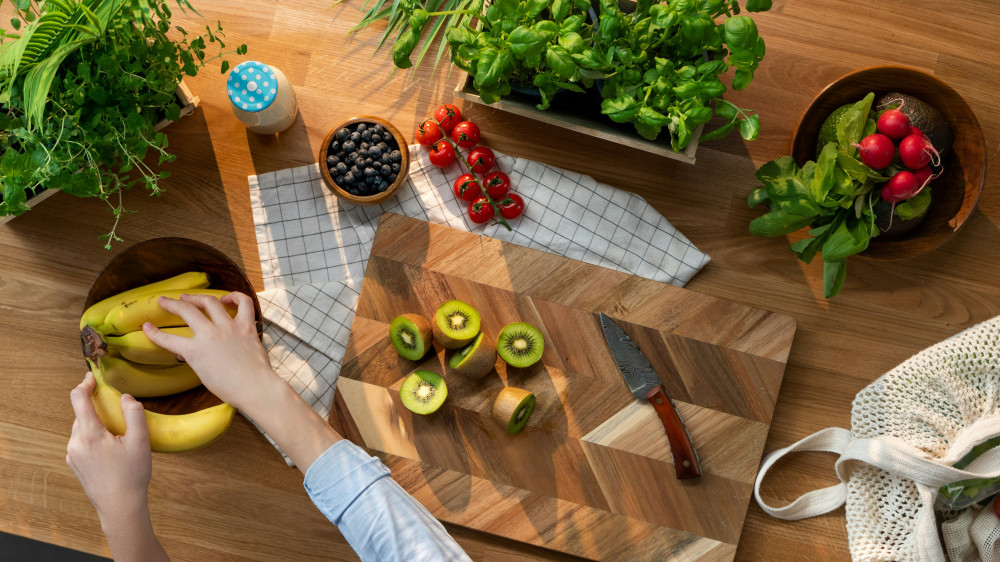
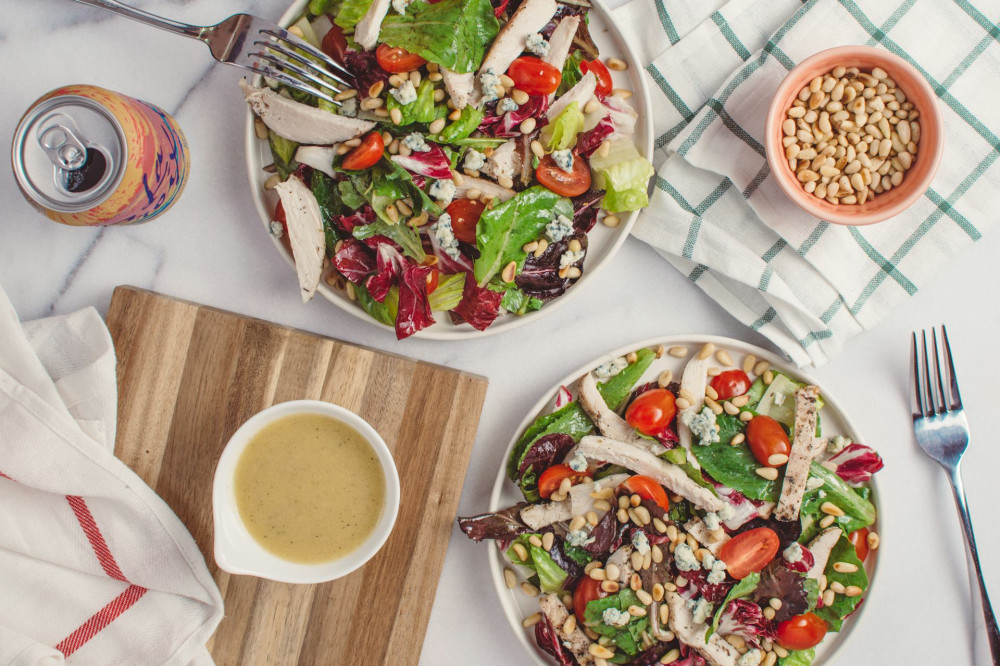
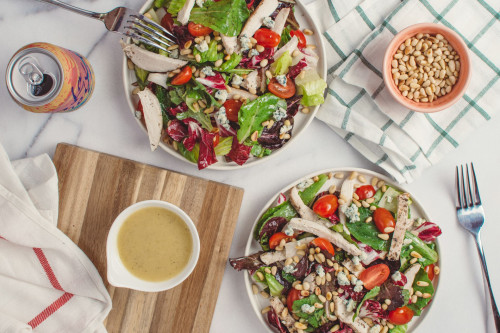
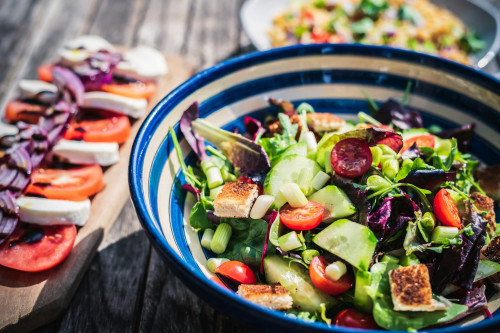
- Fill half your plate with produce. It’s a simple rule of thumb that boosts variety and helps you feel full.
- Keep it convenient. Frozen vegetables, canned beans, and pre-cooked grains can be just as nutritious as fresh options—the key is eating them regularly.
- Eat mindfully. Pay attention to your hunger and fullness cues, and take time to enjoy your food instead of eating on autopilot.
Small, consistent changes have a much bigger impact than short-term, restrictive diets.
Myths and Misunderstandings
There are plenty of myths about healthy eating. Some people think all carbs are bad, while others believe all fats are unhealthy. The truth is more nuanced. Your body needs both carbohydrates and fats—just from the right sources and in balanced amounts.
Another common misconception is that healthy food is expensive. It doesn’t have to be. Oats, beans, brown rice, and seasonal produce are affordable and nutrient-rich. Often, it’s more about planning than price.
Health Is Also About Enjoyment
Healthy eating isn’t only about nutrients—it’s also about pleasure, connection, and satisfaction. Sharing a meal with friends or family can do more for your well-being than eating a perfectly balanced meal alone in front of a screen.
Allow yourself to enjoy your food, and remember that health isn’t just about what you eat—it’s also about how you feel about what you eat.
Læs også:

Find Your Own Balance
There’s no single “right” way to eat healthy. It depends on your body, lifestyle, and preferences. Some people do best with several small meals a day, others with fewer, larger ones. Some include meat, others don’t. The key is finding a rhythm that works for you—and that you can maintain long term.
Healthy eating isn’t an end goal in itself; it’s a way to have more energy, focus, and joy in everyday life. When you understand the principles and apply them flexibly, health stops being a burden and becomes a natural part of living well.
Læs også: