Make Cooking Fun – Get the Kids Involved in the Kitchen

Make Cooking Fun – Get the Kids Involved in the Kitchen
Cooking doesn’t have to be just another household chore – it can be a fun, creative, and educational activity for the whole family. When kids are invited into the kitchen, they develop fine motor skills, creativity, and an understanding of where food comes from. At the same time, family bonds grow stronger, and everyday meals turn into moments of joy and discovery. Here’s how you can make cooking an enjoyable experience for both kids and adults.
Create a Safe and Welcoming Kitchen Space
Start by setting up a space where kids feel comfortable and included. Make sure the work area fits their height – a sturdy step stool or a small table can make a big difference. Provide tools that are safe for little hands, such as plastic knives, small whisks, or silicone spatulas.
Begin with simple tasks: rinsing vegetables, stirring batter, or decorating a dish. When children see that they can contribute, their confidence grows – and so does their enthusiasm to help again.
Turn Cooking into Playtime
Kids learn best through play, and the kitchen is the perfect place to mix fun with learning. Add a playful twist to cooking by introducing small challenges or creative games:
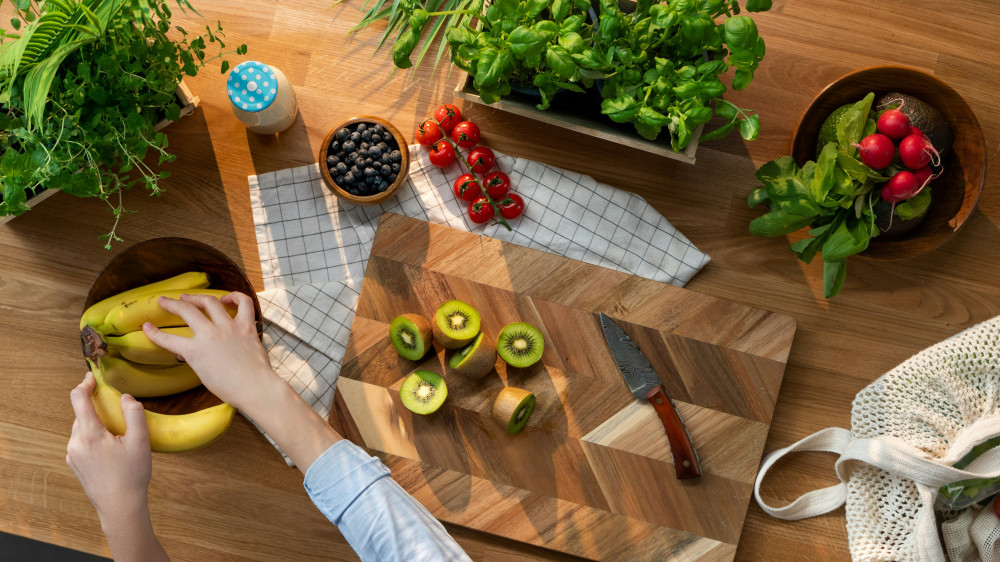
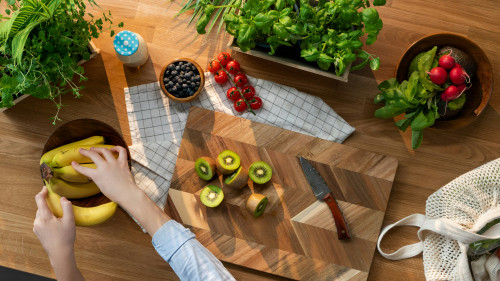
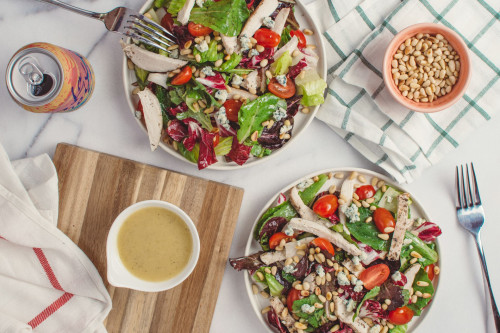
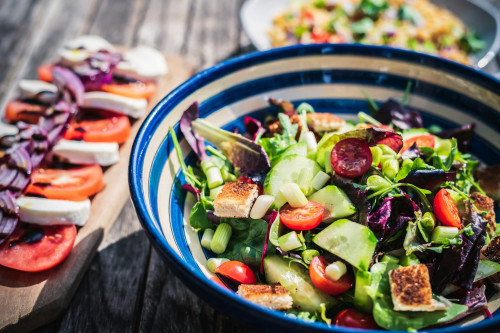
- Color Hunt: Find ingredients in every color of the rainbow and make a “rainbow salad.”
- Flavor Guessing Game: Let kids taste different spices or herbs and guess what they are.
- Food Art: Use fruits, veggies, and herbs to create funny faces or shapes on the plate.
When cooking becomes a game, the pressure to make everything perfect disappears – and the focus shifts to teamwork and enjoyment.
Teach Kids About Ingredients and Taste
The kitchen is a great classroom for learning about food and where it comes from. Talk about how carrots grow underground or how wheat becomes bread. Take your kids to a local farmers’ market or let them help in the garden so they can see the connection between nature and the food on their plate.
Exploring taste is another exciting part of cooking. Teach kids about sweet, salty, sour, and bitter flavors – and how they can be combined. This helps them become more open to trying new foods and less picky at mealtime.
Læs også:

Give Kids Responsibility – One Step at a Time
It can be tempting to take over when flour spills or eggs wobble on the counter, but it’s important to let kids take responsibility. Allow them to pour, stir, and season – even if the result isn’t perfect.
Start with age-appropriate tasks. Younger children can set the table or sprinkle toppings, while older ones can measure ingredients or follow a simple recipe. When kids take ownership, they feel proud and gain a deeper appreciation for the effort that goes into cooking.
Use Cooking as Family Time
In a busy household, the kitchen can become one of the few places where everyone gathers without screens or distractions. Use this time to talk, laugh, and share stories. It’s not just about getting dinner on the table – it’s about creating memories.
Even an ordinary weeknight can feel special when you make pancakes together or experiment with homemade pizza. These small moments teach kids that cooking isn’t just about eating – it’s about being together.
From Kitchen Fun to Lifelong Skills
When children take part in cooking, they gain more than just fun experiences – they learn valuable life skills. They become more independent, develop respect for ingredients, and learn to make healthy choices.
Making cooking fun is more than a playful activity; it’s an investment in your children’s confidence, creativity, and well-being. And perhaps best of all, it gives your family a new way to connect – with laughter in the air and the smell of something delicious in the oven.
Læs også: