Dietary Guidelines in Practice: How to Turn the Official Recommendations into Healthy Choices at the Grocery Store

Dietary Guidelines in Practice: How to Turn the Official Recommendations into Healthy Choices at the Grocery Store
The U.S. Dietary Guidelines are designed to help Americans eat in a way that supports long-term health and reduces the risk of chronic disease. But even with clear recommendations, it can be tricky to translate them into everyday choices—especially when you’re standing in the grocery store surrounded by tempting options. Here’s a practical guide to turning the official advice into real-life shopping habits that fit your budget, schedule, and taste.
Start with a Plan
Healthy eating begins before you even step into the store. Plan your meals for the week and make a shopping list based on what you actually need. This helps you avoid impulse buys and ensures you have the ingredients for balanced meals.
When planning, think about the key messages from the Dietary Guidelines: make half your plate fruits and vegetables, choose whole grains, vary your protein sources, and limit added sugars, sodium, and saturated fats. Planning ahead makes it easier to stick to these goals.
Fill Your Cart with Color
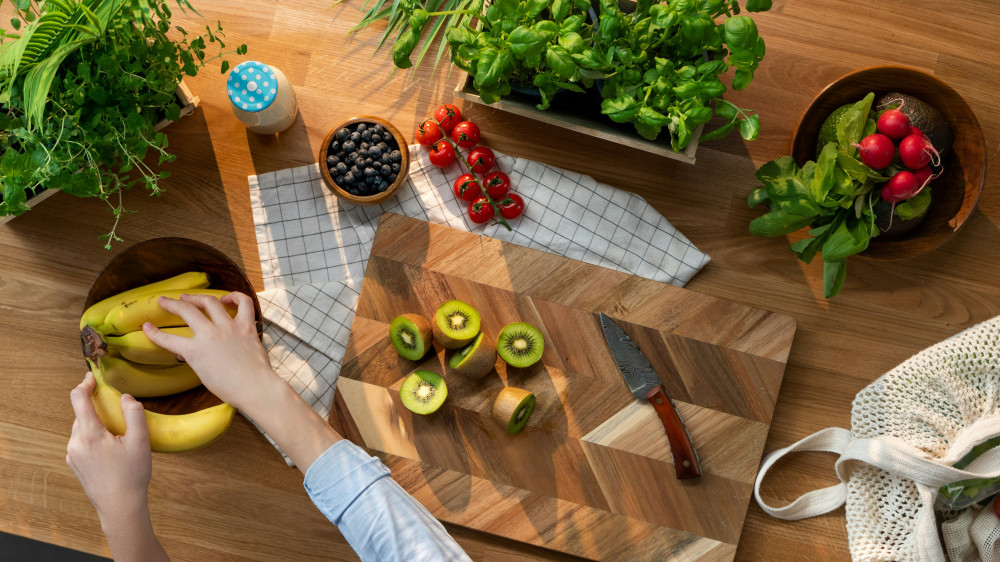
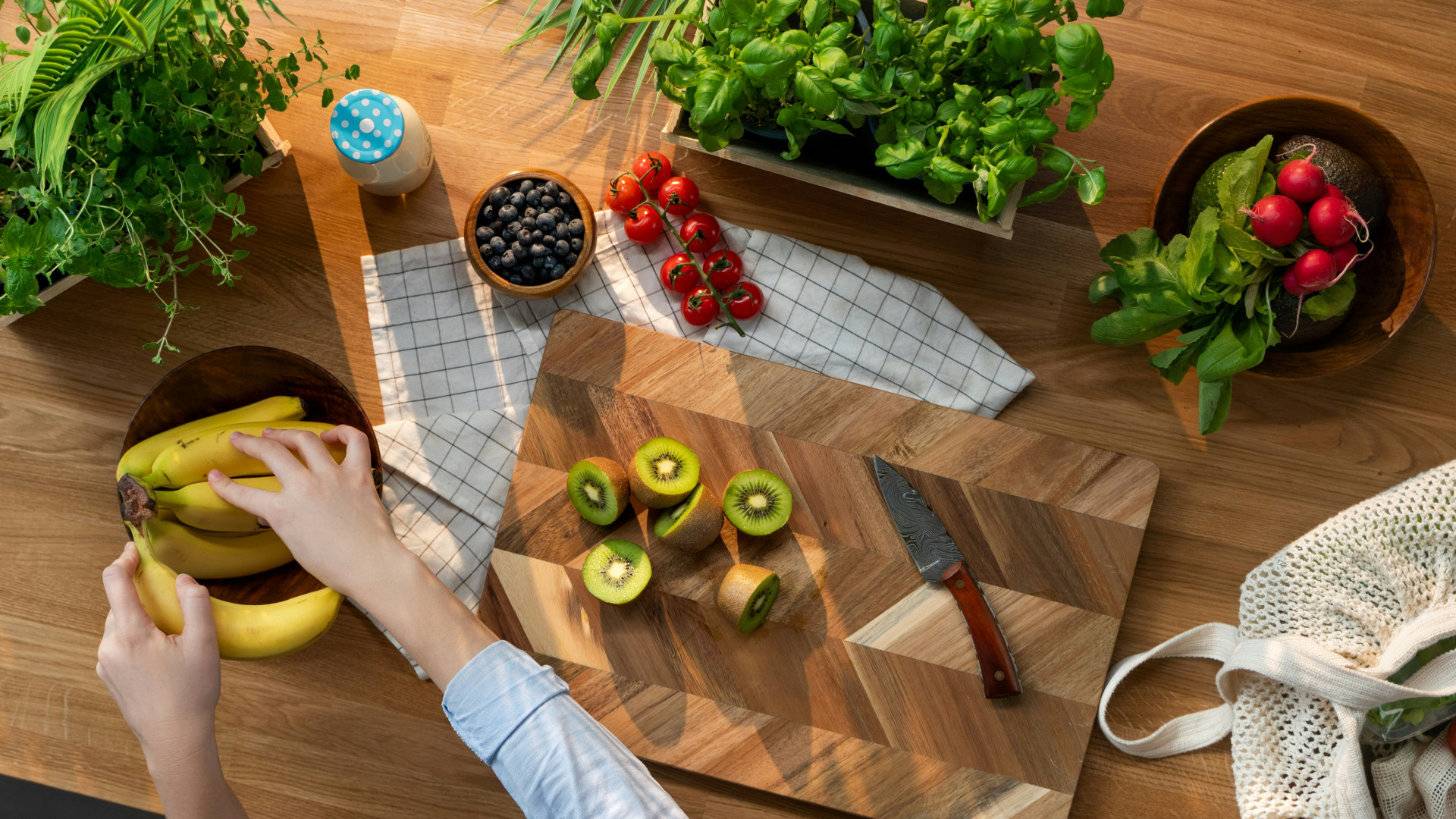
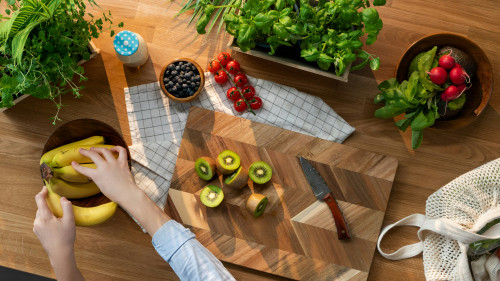
Fruits and vegetables are the foundation of a healthy diet. Aim to fill half your cart with produce, choosing a variety of colors—green, red, orange, yellow, and purple. Each color group provides different vitamins, minerals, and antioxidants.
Fresh produce is great, but don’t overlook frozen or canned options. Frozen fruits and vegetables are often just as nutritious as fresh, and canned varieties can be convenient—just look for those labeled “no salt added” or “packed in water” instead of syrup.
A colorful cart not only supports your health but also makes your meals more appealing and satisfying.
Choose Whole Grains
Whole grains provide fiber, B vitamins, and minerals that refined grains lack. When you’re shopping for bread, pasta, rice, or cereal, look for the word “whole” as the first ingredient on the label. The Whole Grain Stamp can also help you identify products with a higher whole grain content.
Try swapping white rice for brown rice, or regular pasta for whole wheat. If you’re not used to the taste, start by mixing half and half and gradually increase the whole grain portion.
Læs også:


Pick Lean and Varied Protein Sources
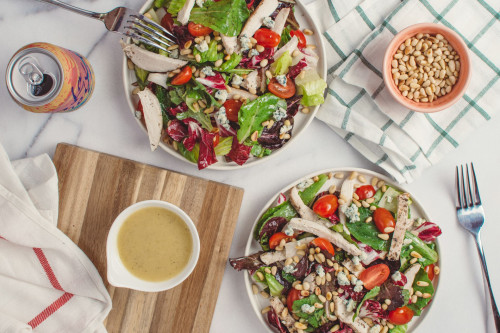
Protein is essential, but the type you choose matters. The Dietary Guidelines recommend varying your protein sources and including more seafood, beans, lentils, nuts, and seeds, while limiting red and processed meats.
At the store, you can:
- Choose skinless poultry or lean cuts of beef and pork.
- Add plant-based proteins like black beans, chickpeas, or lentils to your cart.
- Buy fish—such as salmon, tuna, or cod—twice a week for heart-healthy omega-3 fats.
If you buy deli meats or frozen meals, check the nutrition label for sodium and saturated fat content, and choose lower-sodium options when possible.
Be Smart About Fats
Fat isn’t the enemy—it’s the type of fat that counts. Replace saturated fats (found in butter, cheese, and fatty meats) with unsaturated fats from plant oils, nuts, seeds, and avocados.
In the grocery store, choose olive, canola, or sunflower oil for cooking. Look for products labeled “low in saturated fat” or “made with vegetable oils.” When buying dairy, opt for low-fat or fat-free milk, yogurt, and cheese.
Watch the Sugar and Salt
Added sugars and sodium are common in processed foods, from breakfast cereals to salad dressings. Read labels carefully—ingredients like corn syrup, honey, or anything ending in “-ose” indicate added sugars.
To cut back, choose unsweetened versions of foods like yogurt or oatmeal, and flavor them yourself with fruit or cinnamon. For salt, look for “low sodium” or “no salt added” products, and season your meals with herbs, spices, or citrus instead of salt.
A good rule of thumb: shop the perimeter of the store, where fresh foods like produce, dairy, and meats are located, and spend less time in the aisles filled with packaged snacks and sweets.
Drink Water First
Water should be your go-to beverage. Sugary drinks like soda, sweet tea, and juice can add hundreds of empty calories a day. Keep a reusable water bottle with you, and make water more interesting by adding slices of lemon, cucumber, or berries.
If you drink alcohol, do so in moderation—up to one drink per day for women and two for men, as recommended by the Dietary Guidelines.
Make Healthy Eating Easy
Healthy eating doesn’t have to be complicated or expensive. Stock your pantry with staples like canned beans, whole grain pasta, frozen vegetables, and eggs so you can prepare quick, nutritious meals even on busy days.
Remember, small changes add up. Every time you choose whole grains over refined ones, water over soda, or vegetables over processed snacks, you’re taking a step toward better health. The goal isn’t perfection—it’s progress, one grocery trip at a time.
Læs også: