Wine and French Cuisine: How to Find the Perfect Pairing

Wine and French Cuisine: How to Find the Perfect Pairing
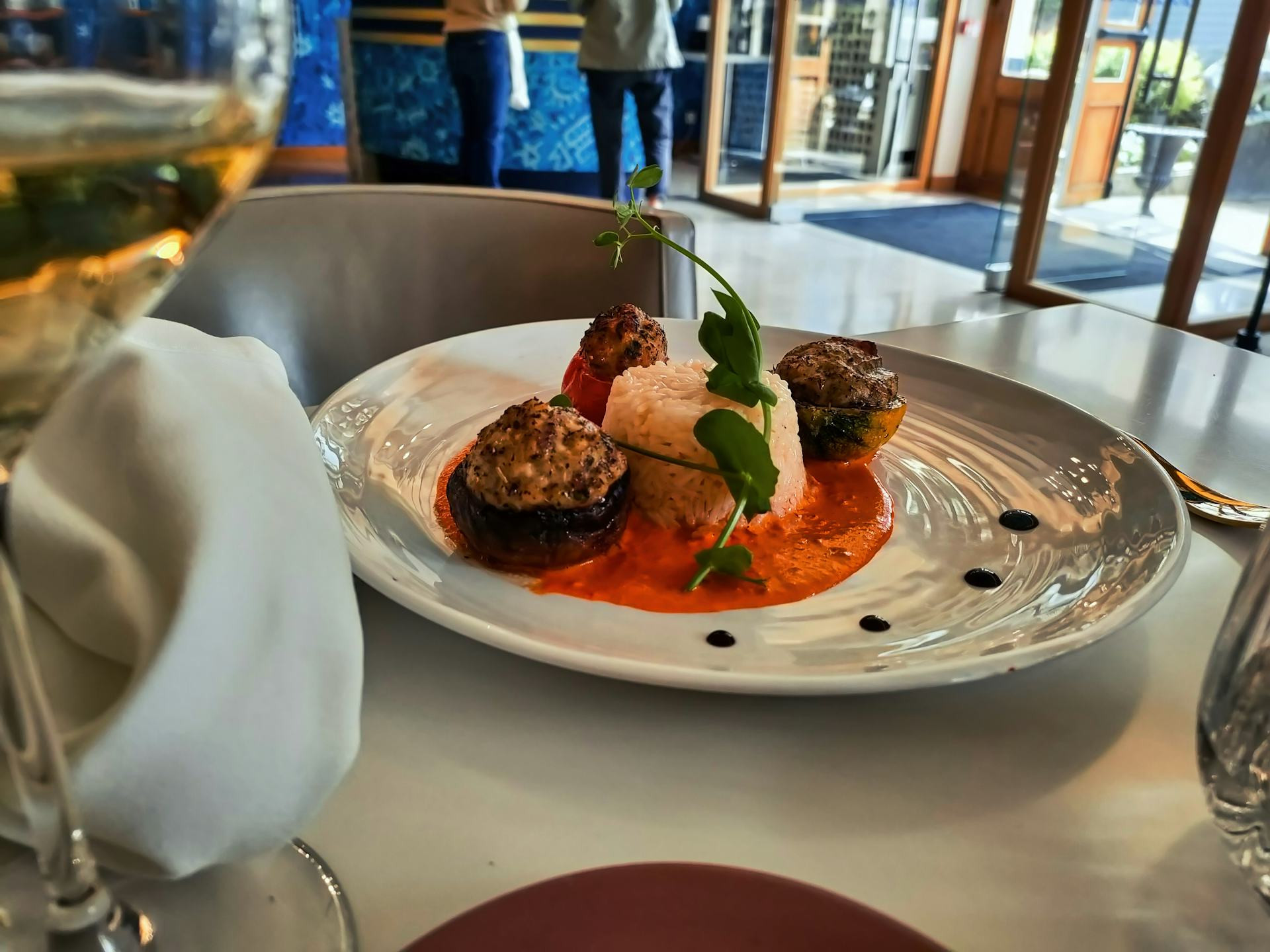
French cuisine and wine are inseparable. From rustic countryside dishes to refined Parisian dining, wine is more than a beverage—it’s an essential part of the meal, enhancing flavors and creating harmony on the palate. But how do you find the perfect pairing between wine and French food? Here’s a guide designed for American readers who want to bring a touch of France to their table.
The Basics of Wine and Food Pairing
Pairing wine with food is all about balance. The goal is for the wine and the dish to complement each other rather than compete. Keep these three principles in mind:
- Match intensity: Light dishes call for lighter wines, while rich, hearty meals need wines with more body and structure.
- Balance fat and acidity: Creamy sauces, duck, or buttery dishes benefit from wines with bright acidity that refresh the palate.
- Seek harmony in flavor: Fruity wines can highlight sweetness in a dish, while dry wines can contrast beautifully with salty or creamy flavors.
These simple guidelines work whether you’re serving a classic coq au vin or a modern vegetarian ratatouille.
Classic French Dishes and Their Wine Partners
France’s culinary landscape is as diverse as its vineyards. Each region has its specialties—and its own wines to match. Here are some timeless pairings:
- Boeuf Bourguignon and Pinot Noir: This slow-cooked beef stew from Burgundy is made with red wine, so it’s only natural to drink one alongside it. A silky Pinot Noir with earthy notes complements the dish’s deep, savory flavors.
- Coq au Vin and Beaujolais: The traditional chicken stew pairs beautifully with a fruity, medium-bodied red from Beaujolais, which enhances the dish without overpowering it.
- Bouillabaisse and Provence Rosé: The saffron-scented fish soup from the south of France shines with a dry rosé from Provence—fresh, crisp, and perfectly suited to seafood.
- Duck à l’Orange and Alsace Riesling: The sweet-and-tangy orange sauce finds balance in an aromatic Riesling with lively acidity.
- Cheese and local wine: A French rule of thumb says that local wines pair best with local cheeses. Try Sancerre with goat cheese or a red Bordeaux with aged Comté.
Modern French Cuisine and New Trends
Contemporary French cooking is lighter and more vegetable-forward than in the past, opening the door to new wine pairings. Chefs now emphasize herbs, citrus, and seasonal produce, which call for wines with freshness and finesse.
- Vegetarian dishes featuring lentils, mushrooms, or roasted vegetables pair well with white wines like Chenin Blanc or light reds such as Gamay.
- Seafood and fish prepared with lemon or herbs are excellent with a mineral-driven Chablis or a crisp Loire Valley Sauvignon Blanc.
- Modern bistro fare like steak frites or duck confit works wonderfully with a classic Côtes du Rhône, offering warmth and spice.
There’s also growing interest in natural and organic wines, which bring unique, sometimes unpredictable flavors to the table. They can be adventurous choices that make dining more exciting.
Læs også:
How to Choose Wine at a Restaurant
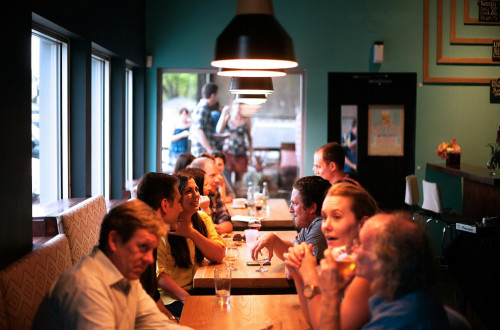
French restaurants can have intimidating wine lists, but a few strategies can help you choose with confidence:
- Ask the sommelier or server. They know the menu and can suggest pairings that highlight both the food and the wine.
- Think regionally. If your dish comes from a specific part of France, try a wine from the same area—it’s rarely a bad match.
- Share a bottle, but choose versatile. When ordering multiple dishes, go for a wine that complements a range of flavors, such as a crisp white Burgundy or a light red from the Loire Valley.
- Be curious. Don’t hesitate to try something new—a lesser-known grape or a small producer might surprise you.
Wine and Food as an Experience
Finding the perfect pairing isn’t just about following rules—it’s about creating an experience. The interplay of aroma, taste, and atmosphere is what makes a meal memorable. A simple baguette with cheese and a glass of wine on a sunny afternoon can be just as perfect as a multi-course dinner if the balance feels right.
So next time you open a bottle of wine to accompany a French dish, think about how the two can elevate each other. It’s in the meeting of the wine’s character and the food’s soul that the true magic of French dining comes alive.
Læs også: