Be curious about flavor – and discover your new favorites


Be curious about flavor – and discover your new favorites
Eating isn’t just about satisfying hunger – it’s about experiences, curiosity, and the joy of discovering something new. Yet many of us end up ordering the same dish at our favorite restaurant or cooking the same meals week after week. But what happens when you dare to step outside your comfort zone and taste something unfamiliar? Here’s how you can explore new flavors and maybe find your next favorites.
Why we often stick to the familiar
Our taste preferences are shaped early in life. We learn what feels safe and what seems “strange.” That’s why many of us automatically choose what we know – whether we’re reading a menu or shopping for groceries. It’s part of human nature: our brains associate familiar flavors with comfort and security.
But taste can evolve. The foods you disliked as a child might surprise you today. The more you challenge your habits, the more you open yourself up to new experiences.
Start with small steps
Being curious about flavor doesn’t mean you have to dive straight into the world’s spiciest chili or the most exotic ingredients. You can start small:
- Try a new ingredient in a dish you already love – swap chicken for chickpeas, or add a fresh herb you’ve never used before.
- Order something different next time you eat out. Pick a dish you’d normally skip and see how it surprises you.
- Visit a local farmers market and let the seasonal produce inspire you. Ask the vendors how they like to cook with it.
- Host a taste test at home – sample different types of chocolate, olive oil, or cheese. It’s a fun way to notice subtle differences and discover new favorites.
Small changes can make a big difference – and often, it’s the unexpected combinations that become the most memorable.
Learn to understand flavor
Flavor is more than sweet, sour, salty, bitter, and umami. It’s also about texture, aroma, and temperature. When you start paying attention to how these elements interact, you’ll better understand why you enjoy certain foods – and what might be missing from a dish.
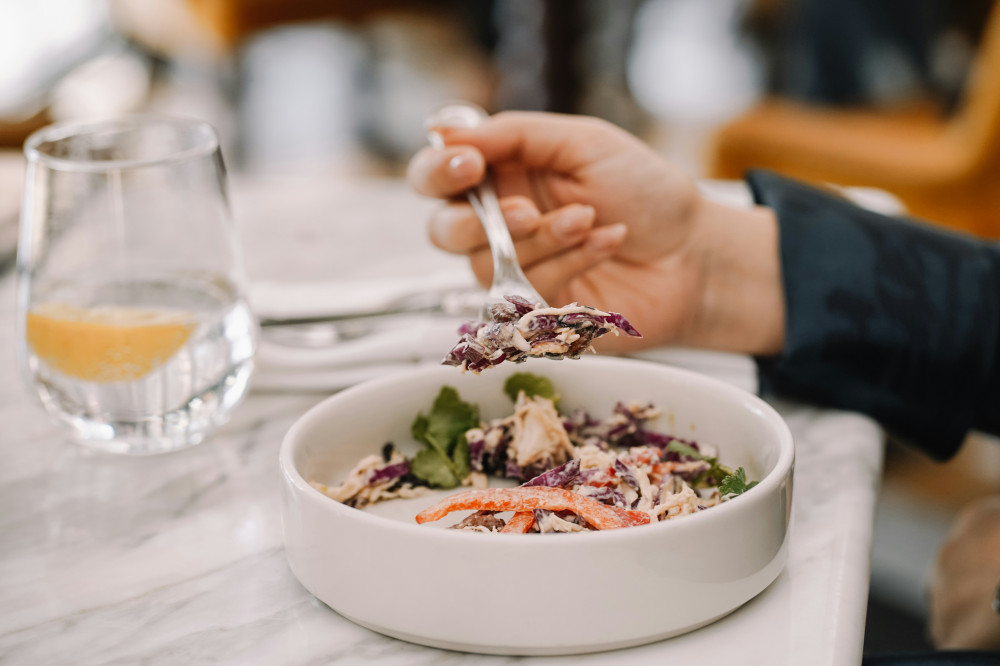
A good tip is to taste mindfully: take your time, chew slowly, and try to describe what you experience. Is it crisp, creamy, bright, smoky? The more you practice, the easier it becomes to identify what excites your palate – and what you’d like to explore further.
Explore cuisines from around the world
One of the easiest ways to find new inspiration is through global cuisines. Every culture has its own flavor profiles and cooking traditions, many of which are easy to bring into your own kitchen.
- Japanese cuisine offers balance and umami – try miso, seaweed, or ponzu sauce.
- Middle Eastern cooking is rich with spices like cumin, sumac, and cinnamon that add warmth and depth.
- Mexican food combines freshness and heat – think lime, cilantro, and chili in perfect harmony.
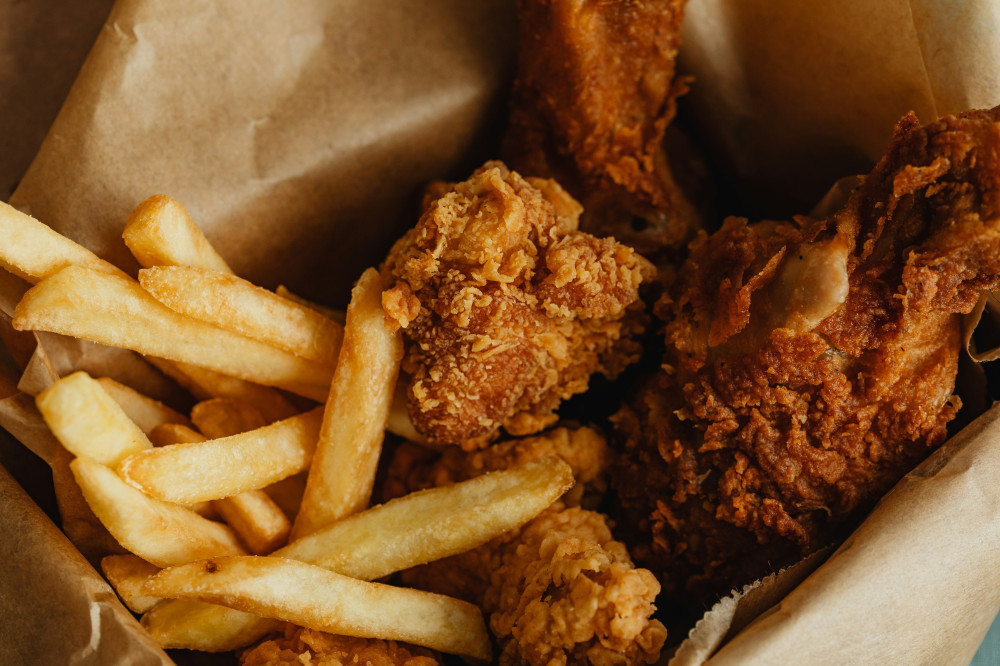
- Southern and Cajun cooking bring bold, soulful flavors – smoky paprika, okra, and slow-cooked stews.
You don’t have to travel far to taste the world – many American cities have vibrant food scenes and restaurants that celebrate authentic global flavors.
Use your senses – and let go of expectations
When you try something new, resist the urge to compare it to what you already know. Approach it with an open mind. Maybe it tastes different than you expected – but that’s the beauty of it. Being curious about flavor isn’t about liking everything; it’s about being willing to try.
Engage all your senses: look at the colors, smell the aromas, feel the texture. Often, the enjoyment begins long before the first bite.
Share the experience
Food is even better when shared. Invite friends or family for a dinner where everyone brings a dish from a different country. Or host a “tasting night” with new wines, cheeses, or spices. It’s a great way to spark conversation, laughter, and maybe even new traditions.
Exploring flavor together makes it easier to be adventurous – and it’s often in those shared moments that the best food memories are made.
Læs også:



Curiosity as the spice of life
In the end, being curious about flavor is about more than food. It’s about daring to challenge yourself, staying open, and letting yourself be surprised. When you taste something new, you’re not just expanding your palate – you’re expanding your perspective.
So next time you’re looking at a menu or planning dinner, ask yourself: What haven’t I tried yet? Your next favorite might be waiting right where you least expect it.
Læs også: