Why Seasonal Fresh Produce Tastes Better

Why Seasonal Fresh Produce Tastes Better
There’s something special about biting into a crisp apple in the fall, tasting the first sweet corn of summer, or smelling fresh strawberries in June. Seasonal produce has a depth of flavor and freshness that imported or out-of-season options simply can’t match. But why does it taste better—and how can you make the most of it in your everyday meals?
Nature’s Perfect Timing
Fruits and vegetables grow in harmony with the seasons. When they’re allowed to ripen naturally in the sun, rain, and soil, they develop a perfect balance of sweetness, acidity, and aroma that’s hard to replicate under artificial conditions. A tomato ripened on the vine in July has far more flavor compounds than one picked green and shipped across the country in winter.
Seasonal produce also aligns with what our bodies crave at different times of year: light, hydrating foods like cucumbers and berries in summer, and hearty root vegetables and greens when the weather turns cold.
From Farm to Table—Fast
One of the biggest reasons seasonal produce tastes better is freshness. When fruits and vegetables are grown locally and eaten in season, they don’t have to travel far. That means they can be harvested closer to peak ripeness, preserving their natural flavor, juiciness, and nutrients.
Out-of-season produce, on the other hand, is often picked early so it can survive long-distance shipping. During that time, it loses both aroma and taste. Local, seasonal produce reaches your plate while it’s still bursting with life.
More Nutrition—and a Clearer Conscience
Flavor and nutrition go hand in hand. The fresher the produce, the higher its vitamin and antioxidant content. For example, vitamin C levels drop significantly when vegetables are stored for long periods or transported over great distances.
Eating seasonally is also better for the planet. Choosing locally grown foods reduces the need for heated greenhouses, air freight, and long-term refrigeration. It’s a simple way to lower your carbon footprint—and it makes your meals more satisfying, knowing they’re good for both you and the environment.
Flavor That Follows the Seasons
Eating with the seasons isn’t just about sustainability—it’s about variety. Each season brings its own unique flavors and textures:
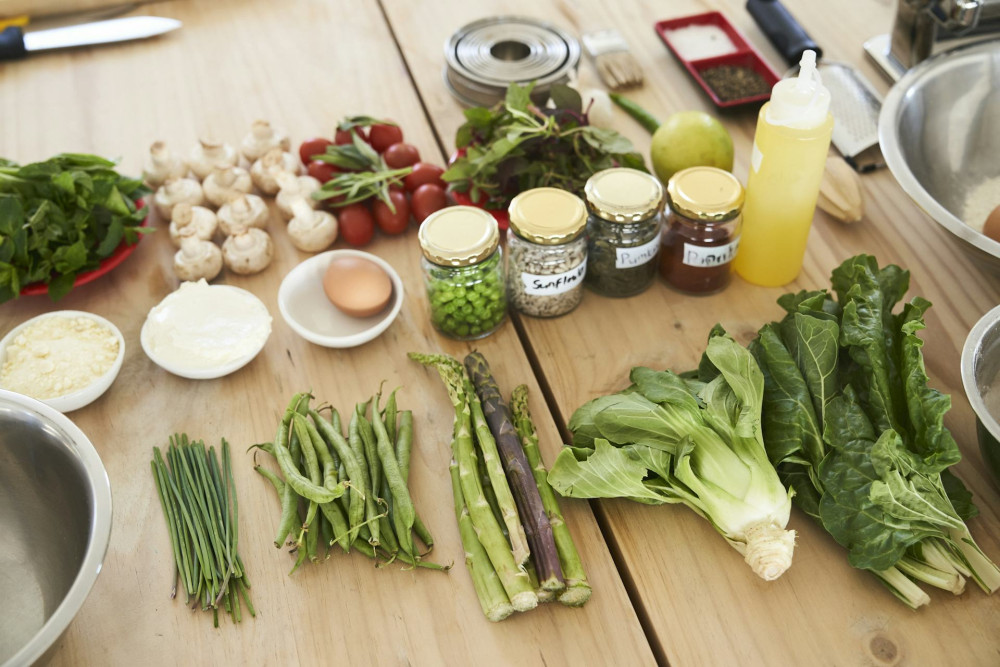
- Spring: Tender greens, asparagus, and peas bring freshness and renewal after winter.
- Summer: Tomatoes, sweet corn, peaches, and berries overflow with sweetness and sunshine.
- Fall: Apples, pumpkins, squash, and mushrooms add warmth and depth to your dishes.
- Winter: Kale, carrots, and potatoes keep you nourished and grounded while nature rests.
When you follow the rhythm of the seasons, you naturally enjoy a more diverse and balanced diet—and you learn to look forward to the fleeting flavors that make each time of year special.
Læs også:
How to Make the Most of Seasonal Produce
To fully enjoy the taste of the season, try these simple tips:
- Shop local: Visit farmers markets or farm stands to find produce picked at its peak.
- Plan by season: Use a seasonal produce guide when planning your weekly meals.
- Store smart: Keep most vegetables cool and dark, while many fruits do best at room temperature.
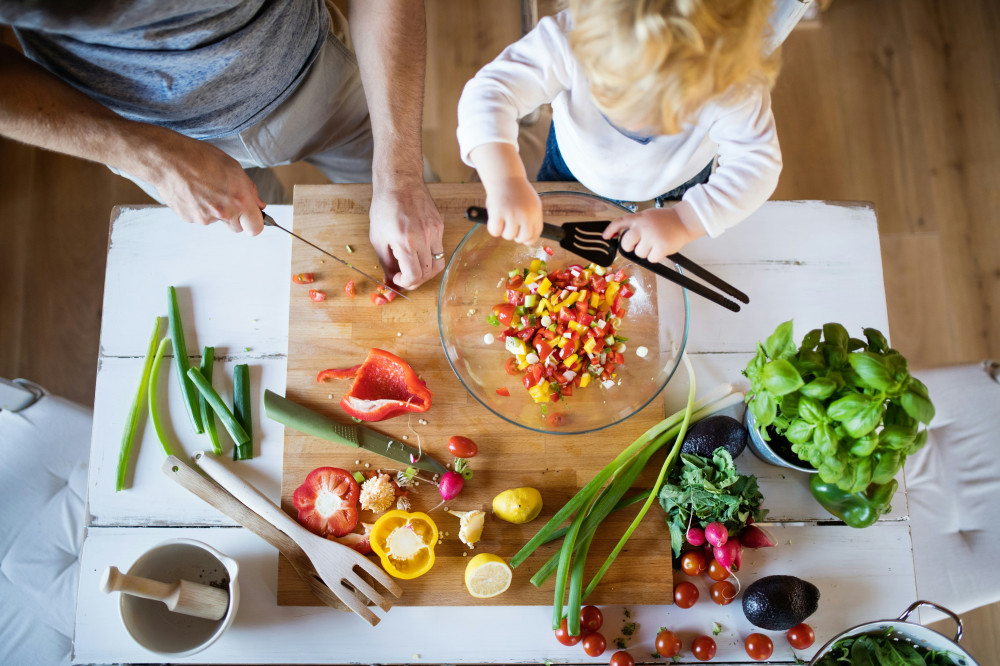
- Get creative in the kitchen: Try recipes that highlight natural flavors—roasted root vegetables in winter or fresh salads with berries in summer.
When you eat with the seasons, you’re not just getting better flavor—you’re reconnecting with nature’s rhythm. Each meal becomes more than food; it becomes a celebration of time, place, and the simple joy of eating what’s fresh and real.
Læs også: