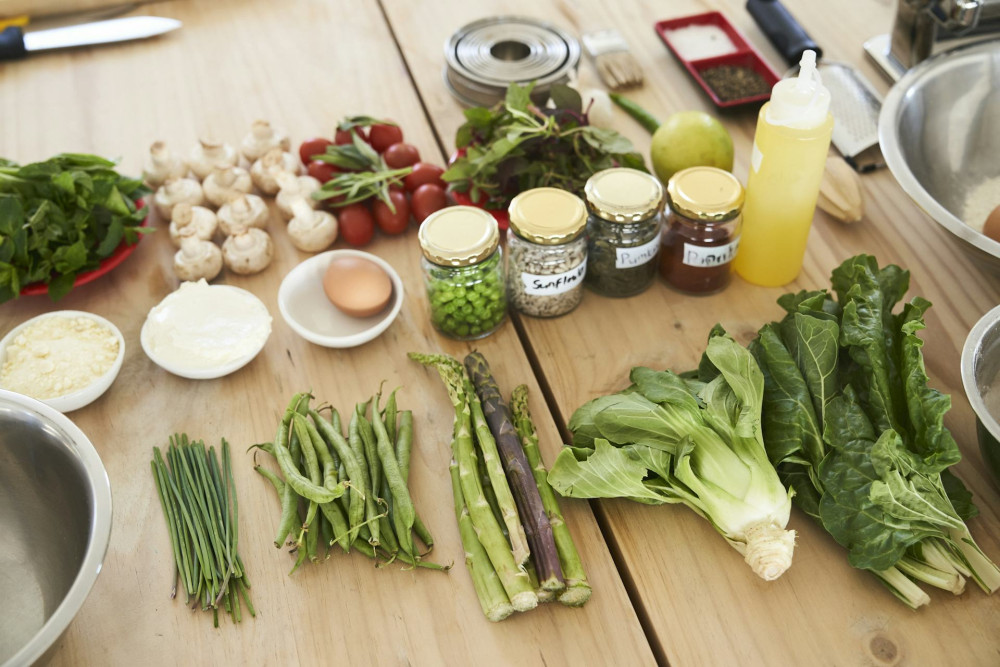
Organic Meal Kits: Easy Recipes Packed with Flavor

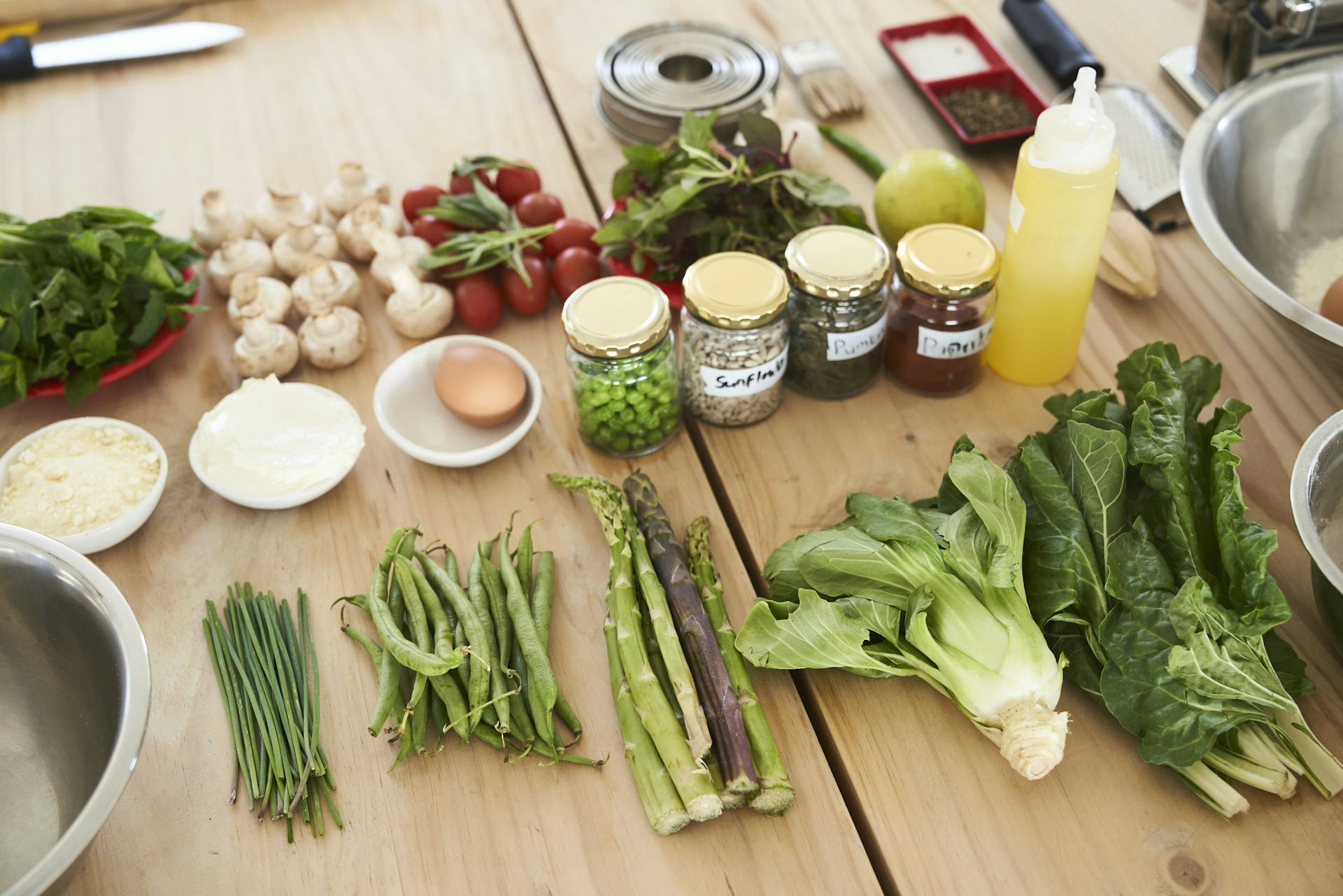
Organic Meal Kits: Easy Recipes Packed with Flavor
Across the United States, more people are turning to organic meal kits as a convenient and sustainable way to eat well. With fresh ingredients, chef-designed recipes, and a focus on quality, these kits make it simple to cook healthy meals at home—without sacrificing taste. But what exactly makes organic meal kits so appealing, and how can you get the most out of them? Here’s a guide to help you get started.
What Is an Organic Meal Kit?
An organic meal kit includes everything you need to prepare dinner—produce, proteins, spices, and step-by-step recipes. The key difference from standard kits is that all ingredients are certified organic, meaning they’re grown and produced without synthetic pesticides, fertilizers, or additives.
Many U.S. meal kit companies partner with local farms and regional suppliers to deliver seasonal ingredients straight to your door. This not only supports small producers but also helps reduce food waste and transportation emissions.
The Benefits of Organic Meal Kits
There are plenty of reasons why organic meal kits are gaining popularity:
- Time-saving: Skip the grocery store and meal planning—everything arrives ready to cook.
- Healthier choices: Organic ingredients often contain fewer pesticide residues and may have higher nutrient levels.
- Less food waste: Ingredients are pre-portioned for each recipe, so nothing goes unused.
- Variety: Discover new dishes and flavor combinations you might not try on your own.
- Sustainability: Organic farming supports soil health, animal welfare, and a cleaner environment.
For many households, meal kits bring calm to busy evenings while making it easier to eat better.
Simple Cooking, Big Flavor
One of the best things about meal kits is how they simplify home cooking. Most recipes take 20–40 minutes and require only basic kitchen tools. You can choose from a wide range of options—family-friendly, vegetarian, quick-prep, or gourmet kits—depending on your schedule and preferences.
Imagine creamy pasta with organic spinach and ricotta, a spicy chickpea curry with coconut milk and lime, or a classic American comfort dish like roasted chicken with root vegetables and thyme. These are everyday meals that are easy to make and full of flavor.
How to Choose the Right Meal Kit
When selecting an organic meal kit, consider the following:
- Number of servings and meals: Most services offer boxes for 2–4 people and 3–5 meals per week.
- Dietary preferences: Choose from vegetarian, vegan, family-style, or meat-inclusive options.
- Time and skill level: Some kits are designed for quick weeknight dinners, while others invite you to spend a little more time in the kitchen.
- Price: Organic kits may cost slightly more than conventional ones, but you’re paying for quality and sustainability.
- Flexibility: Look for services that let you skip weeks or change delivery days to fit your schedule.
It’s worth trying a few different providers to find the one that best matches your taste and lifestyle.
Make Cooking an Experience
While meal kits are all about convenience, they can also help you rediscover the joy of cooking. With the planning done for you, you can focus on the fun part—chopping, seasoning, and enjoying the process.
For families, meal kits are a great way to get kids involved in the kitchen. They can learn where food comes from and develop healthy eating habits early on.
Læs også:



A Step Toward a Greener Lifestyle
Choosing organic meal kits isn’t just good for you—it’s good for the planet. Organic farming supports cleaner water, richer soil, and greater biodiversity. By cooking with pre-measured ingredients, you also help reduce food waste and unnecessary packaging.
It’s a small change that can make a big difference—for your health, your family, and the environment.
Læs også: