Use Your Senses – How to See, Smell, and Hear When Your Food Is Ready


Use Your Senses – How to See, Smell, and Hear When Your Food Is Ready
Cooking isn’t just about following recipes or setting timers. It’s about paying attention — with your eyes, nose, and ears. Your senses can tell you far more about what’s happening in the pan than any gadget can. When you learn to read the signs your food gives off, you’ll become a more confident and intuitive cook. Here’s how to see, smell, and hear when your food is ready.
See – Color, Shape, and Texture Tell the Story
Your eyes are your first and most powerful kitchen tool. As food cooks, it changes in color and texture, and those changes reveal a lot about doneness.
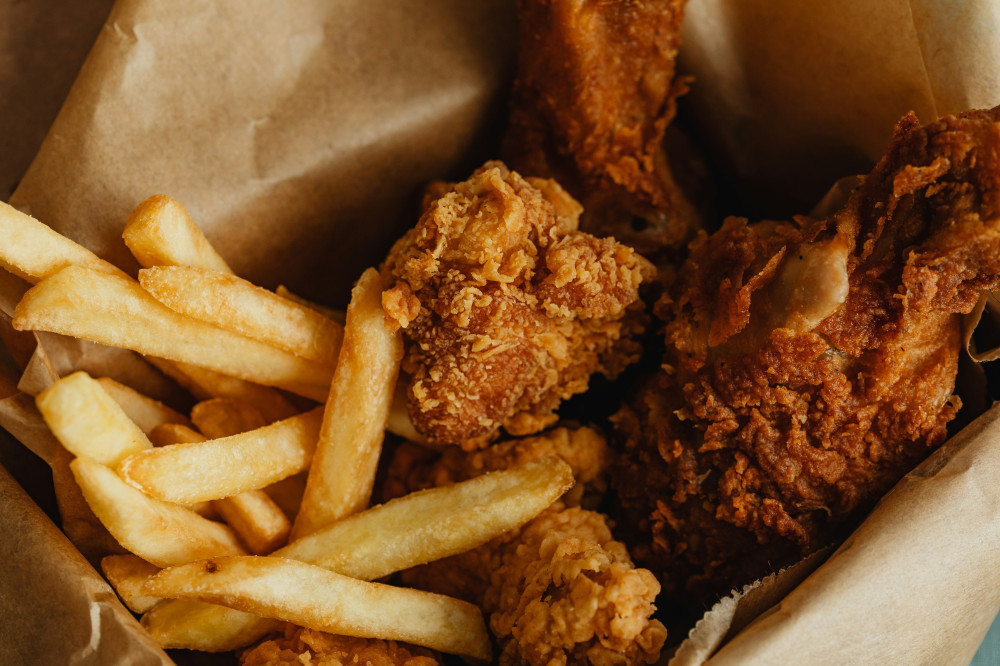
- Meat: When searing meat, watch for the surface to turn from red or pink to a rich brown. That golden crust means the Maillard reaction — the process that creates deep flavor — is happening. If juices start to rise to the surface, it’s a sign the inside is nearly done.
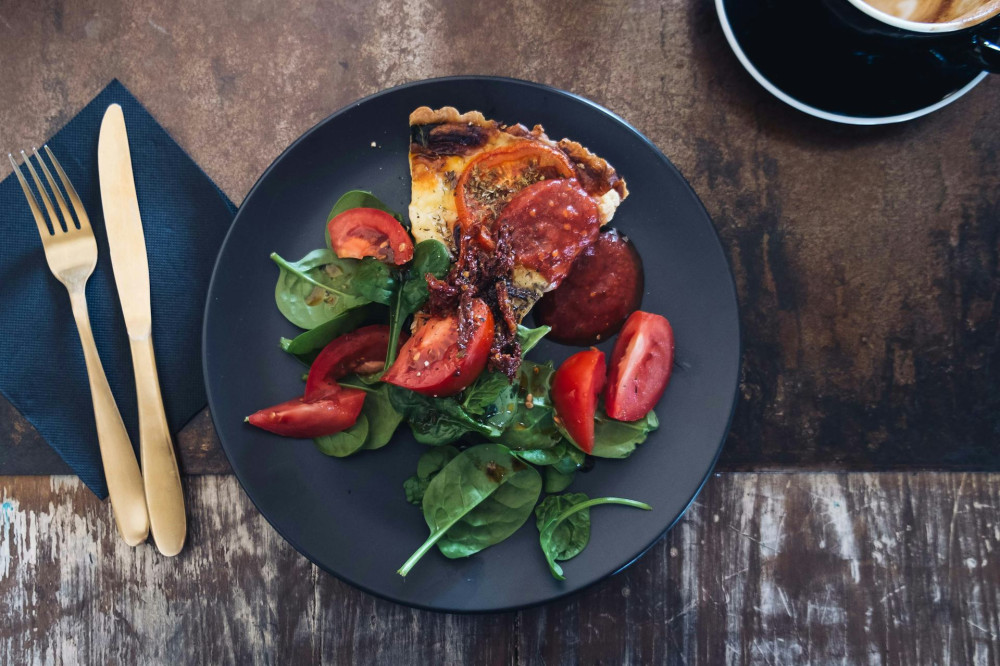
- Vegetables: Bright, vibrant colors usually mean vegetables are perfectly cooked. Green beans and broccoli should look vivid green, not dull or grayish. Once the color fades, they’ve gone too far.
- Baked goods: Bread and cakes should have a golden-brown top when finished. Tap the bottom of a loaf — if it sounds hollow, it’s baked through.
Learning to see these small changes takes practice, but soon you’ll be able to read your food like a language.
Smell – Your Nose Knows When It’s Time
Your sense of smell is one of the most reliable indicators in the kitchen. Aroma tells you how flavors are developing and when something is close to done.
- Baking: The smell of fresh bread or cookies usually fills the kitchen just a few minutes before they’re ready. When that irresistible aroma hits, it’s time to check the oven.
- Sautéing: As onions, garlic, or spices cook, their scent shifts from sharp to sweet and mellow. That’s your cue that they’ve caramelized and are releasing flavor.
- Meat and fish: A nutty or slightly sweet aroma means the surface has browned beautifully. If you catch even a hint of burning, lower the heat or remove the pan right away.
Trusting your nose helps you react before food dries out or burns — it’s your built-in early warning system.
Hear – The Sounds of Cooking in Action
Sound is often overlooked, but it’s one of the clearest ways to know what’s happening in your pan or pot.
- Searing: When you place meat on a hot skillet, you should hear a strong, steady sizzle. That sound means the pan is hot enough to create a crisp crust. If the sizzle fades, the heat is too low and the meat is steaming instead of searing.
- Simmering: A gentle, rhythmic bubbling means your soup or sauce is simmering perfectly. A loud, rolling boil means the heat is too high and liquid is evaporating too fast.
- Baking: Even in the oven, you can listen. When you pull out a loaf of bread and hear a faint crackling, that’s the crust setting — a sure sign of fresh, well-baked bread.
Listening to your food takes focus, but it gives you a real-time sense of what’s happening.
Læs også:



The Power of Combining Your Senses
No single sense can tell you everything. It’s the combination of sight, smell, and sound that gives you the full picture. When you use all three, you rely less on timers and more on your own judgment.
A good way to practice is to pay attention every time you cook: notice how your food looks, smells, and sounds when it’s just right. Over time, you’ll recognize those signals instinctively.
Cooking as a Sensory Experience
Using your senses in the kitchen isn’t just about technique — it’s about enjoyment. When you listen to the sizzle, breathe in the aroma of herbs, and watch colors deepen, cooking becomes more than a task. It becomes an experience.
So next time you cook, set the timer aside for a moment and let your senses guide you. They’ll tell you everything you need to know — if you pay attention.
Læs også: