Colors, Shapes, and Flavors: How Presentation Affects Our Dining Experience

Colors, Shapes, and Flavors: How Presentation Affects Our Dining Experience
When we sit down to eat, taste isn’t the only thing that shapes our experience. Our eyes, and even our expectations, play a major role. The colors, shapes, and overall presentation of a dish can influence how we perceive its flavor, freshness, and quality. Research in food psychology and sensory science shows that what we see can literally change what we taste. But how does that work—and how can we use it to make our meals more enjoyable?
The Psychology of Color on the Plate
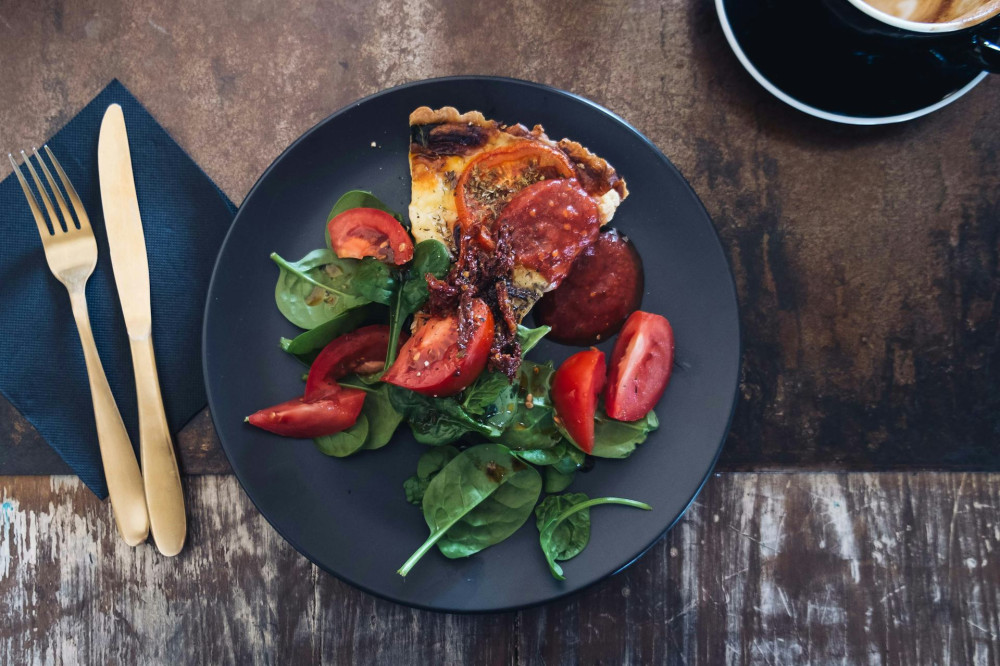
Colors trigger emotions and expectations long before the first bite. A bright green salad suggests freshness and health, while warm tones like red and orange evoke energy and richness. Blue, on the other hand, tends to suppress appetite—perhaps because it’s rare in natural foods.
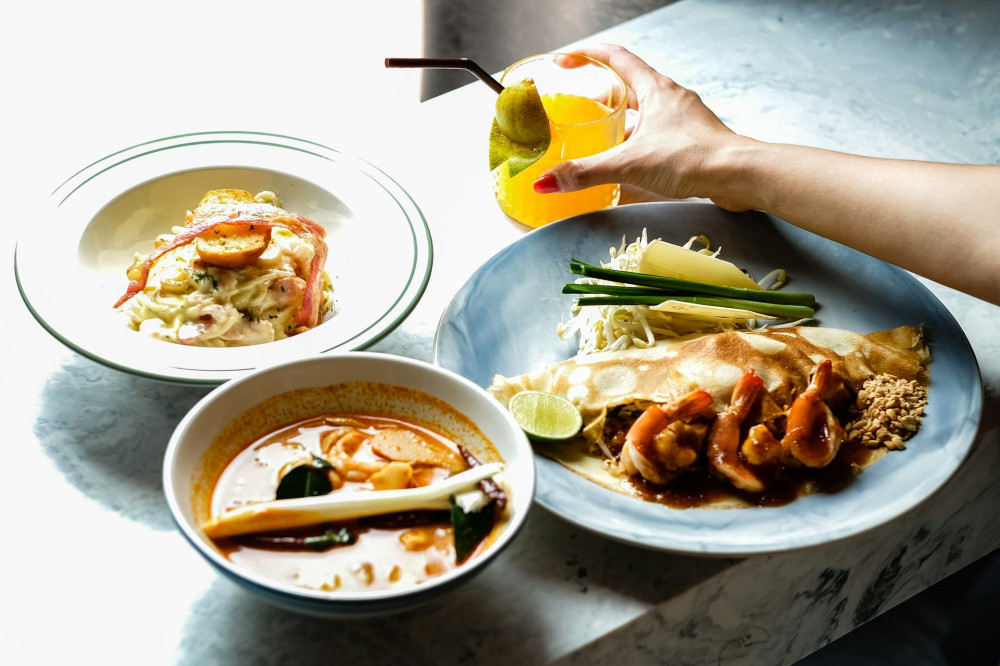
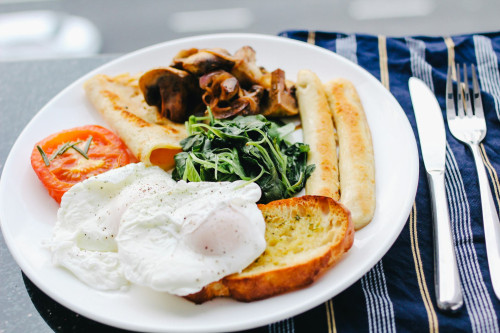
Studies have found that the same dessert can taste sweeter when served on a white plate than on a dark one. The color contrast affects how our brain interprets flavor intensity. That’s why chefs often use color strategically: a pale plate to highlight a dark entrée, or a sprinkle of herbs and colorful vegetables to add vibrancy and balance.
In the U.S., where food culture celebrates both comfort and creativity, color is often used to tell a story—think of the bright reds and yellows of Southern barbecue, or the clean, minimalist tones of a California farm-to-table dish.
Shapes and Textures Set the Tone
It’s not just color that matters—shape and texture also influence how we experience food. Round shapes are often associated with sweetness and softness, while angular or sharp shapes can suggest tartness or bitterness.
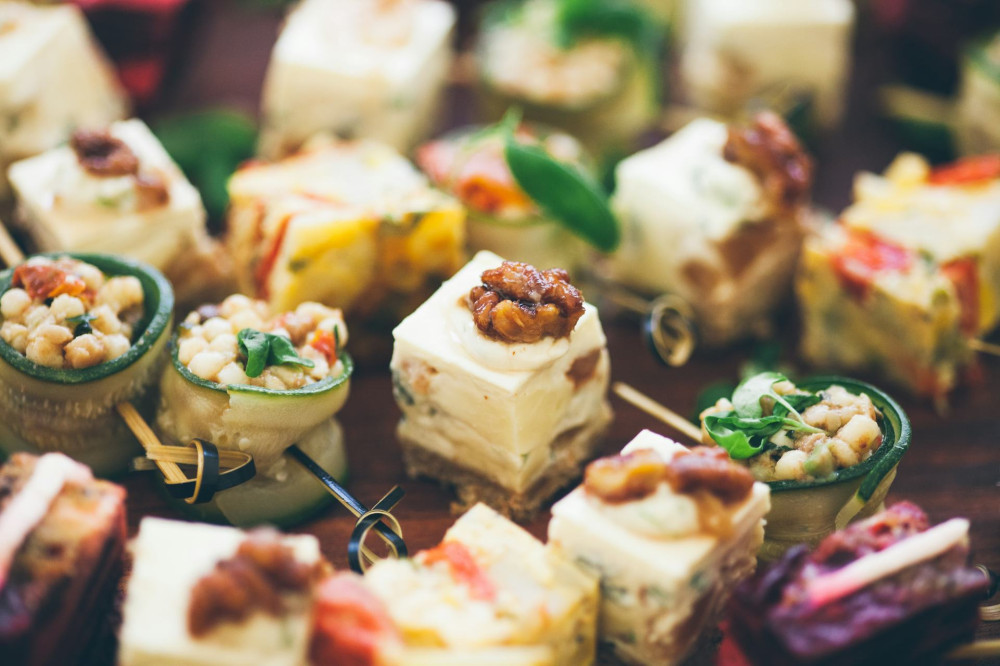
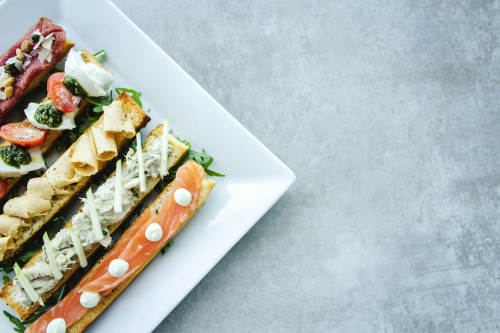
Consider desserts: a round chocolate truffle feels indulgent and smooth, while a square brownie might seem denser and more intense, even if the ingredients are similar. Texture plays a role too—a rustic, uneven presentation can feel homey and authentic, while a perfectly symmetrical plate signals precision and sophistication.
Læs også:
Presentation as a Form of Communication
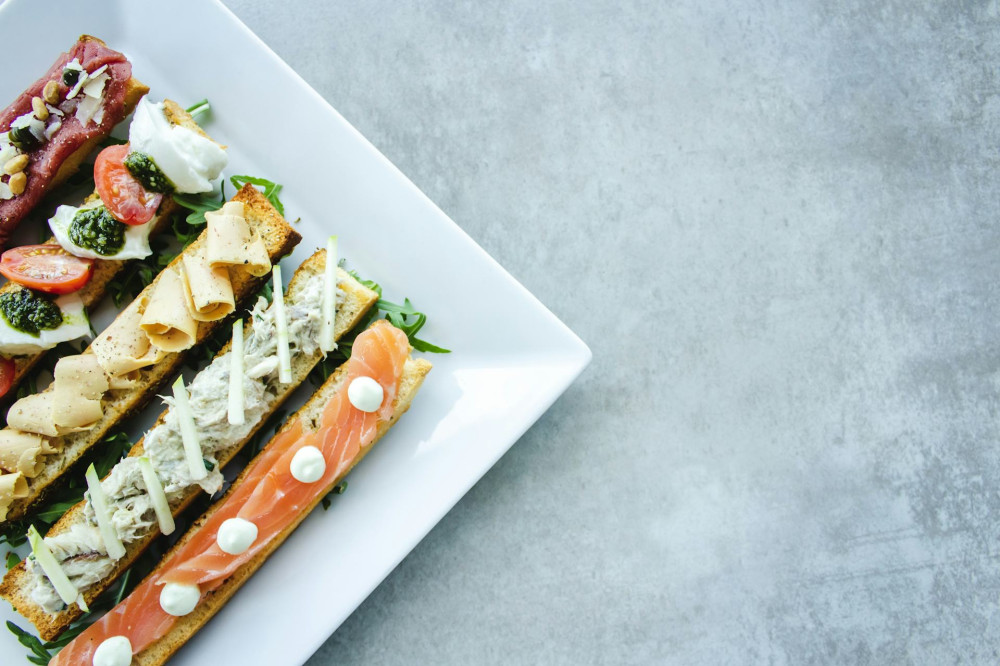
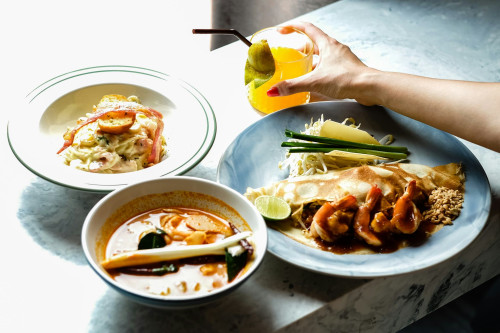
Every plate tells a story. A carefully arranged dish with small, detailed elements communicates effort and artistry. A more casual, family-style presentation conveys warmth and togetherness.
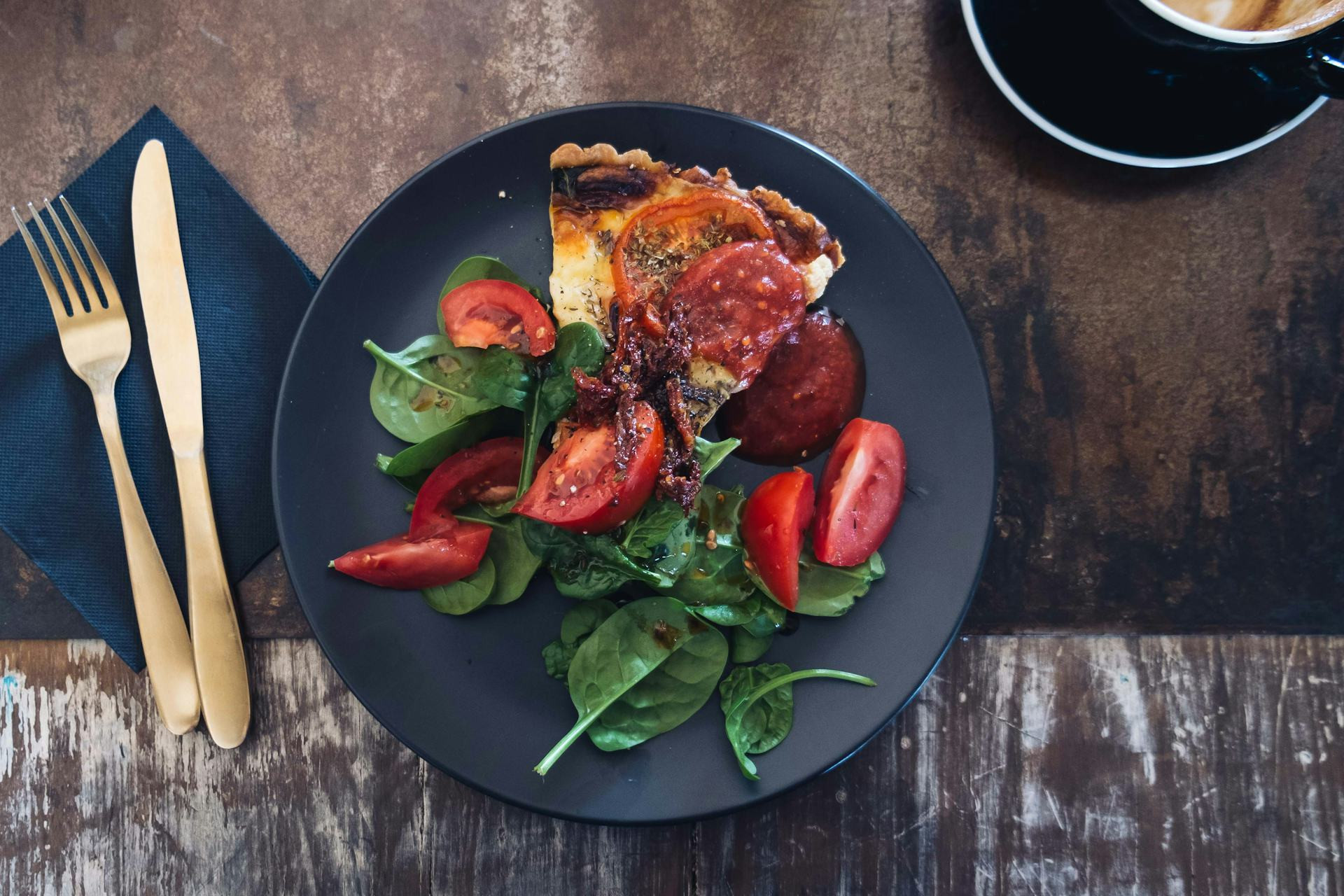
In American restaurants, presentation often reflects the restaurant’s identity. A modern bistro might serve dishes on sleek, matte plates to emphasize simplicity, while a farm-inspired eatery might use wooden boards or stoneware to highlight natural ingredients. At home, you can apply the same principles—think about how your choice of plate, garnish, and layout can express the mood you want to create.
Taste Begins in the Brain
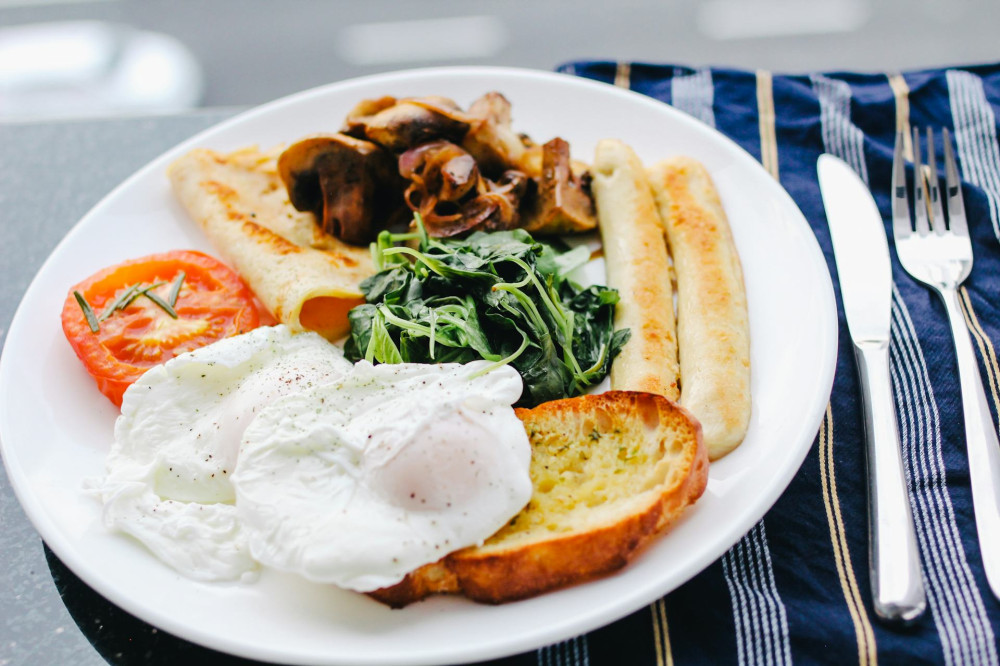
Before we even take a bite, our brain is already forming expectations based on what we see. A colorful, well-arranged dish activates the brain’s reward system, making us more likely to enjoy the food. If something looks fresh and appetizing, we’re primed to perceive it as tasting better—even if the ingredients are identical to a less appealing version.
This means we can “trick” our brains in positive ways. A salad with a variety of colors and textures can feel more satisfying and flavorful, even if it’s made from simple ingredients. That’s one reason why visual variety can help people eat healthier without feeling deprived.
How to Use These Principles at Home
You don’t need to be a professional chef to make your meals look and taste better. Small changes can make a big difference:
- Play with contrast: Combine light and dark colors, smooth and crunchy textures.
- Add fresh touches: Herbs, citrus zest, or a drizzle of olive oil can bring life to a dish.
- Choose the right plate: A neutral background helps your food’s colors stand out.
- Keep balance: Avoid overcrowding the plate—space and symmetry make food more inviting.
- Add height and layers: Stacking or layering elements gives depth and visual interest.
It’s not about perfection—it’s about creating an experience that engages all the senses. When food looks appealing, it truly tastes better.
A Complete Dining Experience
Food is more than fuel—it’s a sensory experience. Colors, shapes, and presentation aren’t just decoration; they’re part of the flavor itself. By understanding how sight and taste interact, we can create meals that satisfy both body and mind.
So next time you set the table, take a moment to think about how your food looks. A little attention to color, form, and balance can transform an ordinary meal into something memorable—proof that we really do eat with our eyes first.
Læs også: