Perfect Pasta Starts with the Water: Quality and Temperature Make the Difference


Perfect Pasta Starts with the Water: Quality and Temperature Make the Difference
A truly great pasta dish begins long before the sauce hits the pan. In fact, it starts with something as simple—and as overlooked—as the water. The quality and temperature of the water you use can make or break your pasta’s texture, flavor, and overall success. As with most things in the kitchen, the details matter. Here’s why the water is the foundation of perfect pasta—and how to get it right every time.
Water Quality – More Than Just H₂O
Not all water is created equal. Across the United States, water hardness varies widely depending on where you live. Hard water contains higher levels of minerals like calcium and magnesium, which can affect how pasta cooks and feels. Pasta boiled in hard water can turn out slightly tougher and less silky, while soft water tends to produce a smoother, more even texture.
If your tap water is particularly hard—or has a noticeable taste of chlorine—consider using filtered water for cooking pasta. This is especially worthwhile when making fresh pasta, which is more delicate and absorbs flavors easily. For dried pasta, the difference is subtler but still noticeable to anyone who appreciates a perfect bite.
Læs også:

Salt – The Invisible Flavor Builder
Once your water reaches a rolling boil, it’s time to add salt—and don’t be shy about it. A good rule of thumb is about one tablespoon of salt per quart of water. It may sound like a lot, but remember that pasta absorbs only a fraction of it. The salt enhances the pasta’s natural flavor and ensures it doesn’t taste flat next to your sauce.
Chefs often say that pasta water should taste like the sea. That doesn’t mean it should be undrinkably salty, but it should have a clear, balanced salinity. Use kosher salt or sea salt rather than iodized table salt for a cleaner, more natural flavor.
Temperature and Timing – The Art of the Boil
Pasta should always be cooked in plenty of rapidly boiling water. This prevents the noodles from sticking together and keeps the temperature from dropping too much when you add them. A large pot with at least four quarts of water for every pound of pasta is a good starting point.
When the water is at a full boil, add the pasta and stir immediately to keep it from sticking to the bottom. Follow the cooking time on the package as a guideline, but trust your taste buds more than the clock. The goal is al dente—tender but still firm in the center. That’s when the pasta has the best texture and can hold sauce beautifully.
Save the Water – It’s Liquid Gold
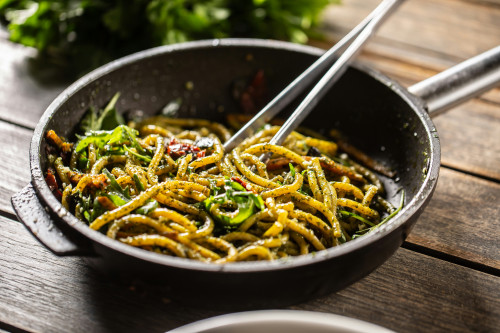
One of the best-kept secrets of Italian cooking is to save a cup of the starchy cooking water before draining the pasta. This water acts as a natural emulsifier, helping sauce and pasta come together into a silky, cohesive dish. When you toss the pasta with the sauce, add a splash of the reserved water to adjust the consistency and create that glossy, restaurant-quality finish.
This trick is essential for classics like cacio e pepe, carbonara, or aglio e olio, where the sauce depends on the starch from the pasta water to achieve its creamy texture.
The Pot, the Lid, and the Calm in the Process
Even your cookware plays a role. A heavy-bottomed pot retains heat better and ensures even boiling. Use a lid to bring the water to a boil faster, but remove it once the pasta goes in to prevent overflow.
And most importantly—don’t rush. Pasta doesn’t need constant stirring, but it shouldn’t be ignored either. A few gentle stirs during cooking are enough to keep it moving freely and cooking evenly.
Water as the Foundation of Flavor
Once you’ve experienced the difference, you’ll never think of pasta water as an afterthought again. The quality, salting, and temperature of your water form the base of the entire dish. It’s where texture, flavor, and sauce harmony begin.
So next time you reach for that pot, remember: perfect pasta starts with the water—and it’s a small investment in care that pays off in every delicious bite.
Læs også: