Jam for the Eyes: Colors and Textures That Spark the Appetite

Jam for the Eyes: Colors and Textures That Spark the Appetite
Jam isn’t just about taste—it’s a feast for the eyes. When ripe fruit transforms into jars of jewel-toned sweetness, the colors and textures tell a story long before the first spoonful. The eye eats first, and in the world of jam, appearance is as important as flavor. But what exactly makes a jam visually irresistible, and how can you create that magic in your own kitchen?
Colors That Make You Hungry
The color of a jam reveals its essence. A deep, garnet-red raspberry jam suggests richness and intensity, while a golden peach preserve radiates warmth and sunshine. These hues come from natural pigments—anthocyanins in berries, carotenoids in stone fruits—but how you cook the fruit can make all the difference.
To keep those bright, appetizing tones, cook your jam gently. High heat can dull or brown the color. A wide pot helps the liquid evaporate quickly, preserving freshness and vibrancy. A splash of lemon juice not only balances sweetness but also stabilizes color, keeping reds ruby and oranges glowing.
Texture: From Silky to Rustic
Texture is the soul of jam. Some people love a smooth, spreadable consistency, while others crave the rustic charm of visible fruit pieces. The right texture depends on both the fruit and how you plan to use the jam.
- For breakfast toast, a soft, easy-spreading jam is ideal.
- For baking or desserts, a firmer set helps the jam hold its shape.
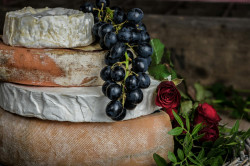
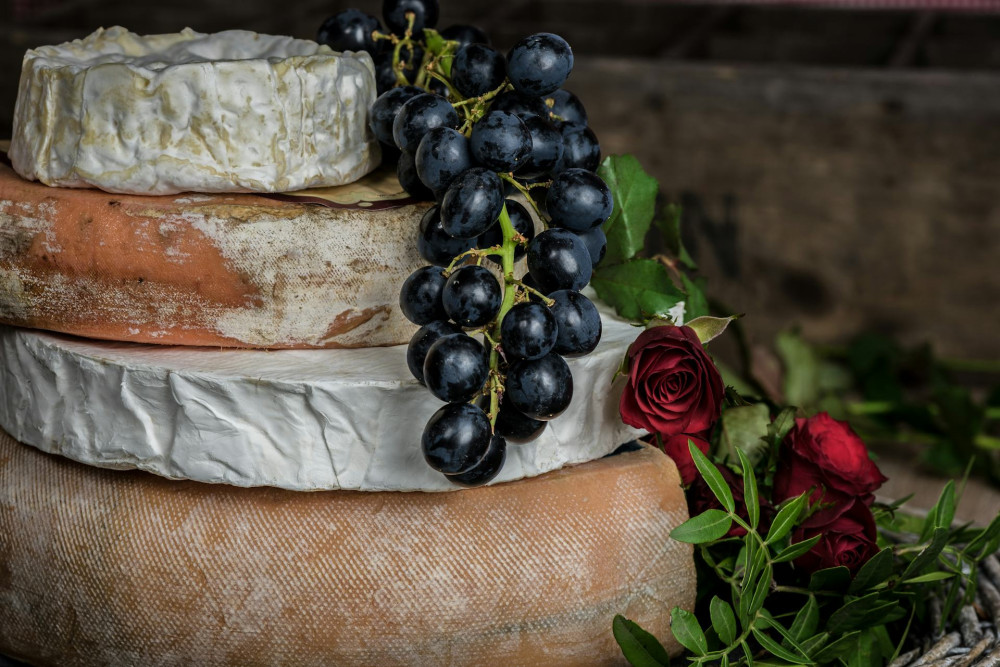
- For a cheese board, a chunky preserve with whole berries adds visual drama and contrast.
Pectin—the natural thickener found in fruit—plays a key role. Apples, currants, and citrus are naturally high in pectin, while strawberries and cherries may need a little help. You can adjust texture by adding pectin or cooking a bit longer, but don’t overdo it—too much cooking can rob the jam of its fresh, lively character.
Light, Glass, and Presentation
Even the most beautiful jam deserves a stage that shows it off. Clear glass jars let the light shine through, turning your preserves into edible gemstones. Simple lids and labels keep the focus on the color itself. For a personal touch, tie on a bit of twine or add a handwritten tag—but let the jam be the star.
When photographing or displaying your jars, natural light is your best friend. Sunlight brings out the glow and highlights the texture. On a breakfast table, contrast your jam with pale bread, creamy butter, and fresh fruit to make the colors pop.
When Sight Shapes Taste
Though color and texture are visual, they shape how we expect something to taste. A dark jam suggests depth and sweetness, while a lighter hue hints at brightness and tang. Playing with color contrast can make even a simple spread feel special.
Try pairing a deep blackberry jam with a sunny lemon marmalade—not just for the flavor balance, but for the visual interplay. It’s a small, artful way to turn an everyday meal into something memorable.
Læs også:
Jam as Craft and Art
Making jam is part science, part art. You’re working with sugar, acid, and heat—but also with light, color, and form. When you pour that finished jam into jars and see it catch the afternoon sun, it’s more than cooking; it’s craftsmanship that delights both eye and palate.
So next time you stir a pot of bubbling fruit, think beyond taste. Notice how the color shifts, how the surface gleams, how the texture feels on the spoon. Because when you make jam with your eyes as well as your hands, the result isn’t just delicious—it’s beautiful.
Læs også: