Share Flavor Experiences with Style – How to Talk About Wine in a Constructive and Inspiring Way

Share Flavor Experiences with Style – How to Talk About Wine in a Constructive and Inspiring Way
Talking about wine can be both a joy and a challenge. For some, it’s a passion; for others, a social ritual. But no matter your level of experience, the way you share your impressions can make all the difference. A great wine conversation isn’t about showing off knowledge—it’s about creating an atmosphere of curiosity, respect, and enjoyment. Here’s how to talk about wine in a way that inspires and includes everyone at the table.
Create a Shared Experience – Not a Competition
The world of wine can seem intimidating, and many people hesitate to speak up for fear of saying something “wrong.” It’s important to remember that wine tasting is subjective. What you taste is true for you—and the same goes for the person next to you.
When you talk about wine, focus on the experience rather than the judgment. Instead of saying a wine is “bad,” try describing what you notice: “It’s a bit more tart than I usually prefer,” or “I like how fresh it feels.” This kind of language opens the conversation and invites others to share their impressions without feeling judged.
Use Your Senses – and Your Own Words
You don’t need to know every technical term to talk about wine. In fact, conversations often become more engaging when you use your own imagery and associations. Maybe the aroma reminds you of a summer picnic, or the taste brings to mind dark berries and spice.
Try describing the color, aroma, and flavor in a way that feels natural to you. It makes your experience more personal—and more interesting for others to hear. If you want to practice, taste wine with friends and compare your descriptions. It’s both fun and educational.
Listen as Much as You Talk
A good wine conversation isn’t just about sharing your own thoughts—it’s also about being curious about others’ experiences. Ask what they taste and how they perceive the wine. You might discover nuances you hadn’t noticed before.
Listening shows respect and helps create a relaxed atmosphere. It also makes it easier for those who don’t consider themselves “wine experts” to join in. That’s how a wine discussion becomes a shared exploration rather than a lecture.
Share Knowledge with Humility
If you know a bit about wine, it’s natural to want to share what you’ve learned—and you should. But do it in a way that inspires rather than intimidates. Tell short stories about grape varieties, regions, or winemakers, and share your enthusiasm instead of lecturing.
A great approach is to connect facts to the experience: “It makes sense that it tastes this way—the grapes come from a cooler climate.” This way, knowledge becomes part of the conversation, helping others understand the wine’s character without creating distance.
Læs også:

Set the Scene for Great Conversations
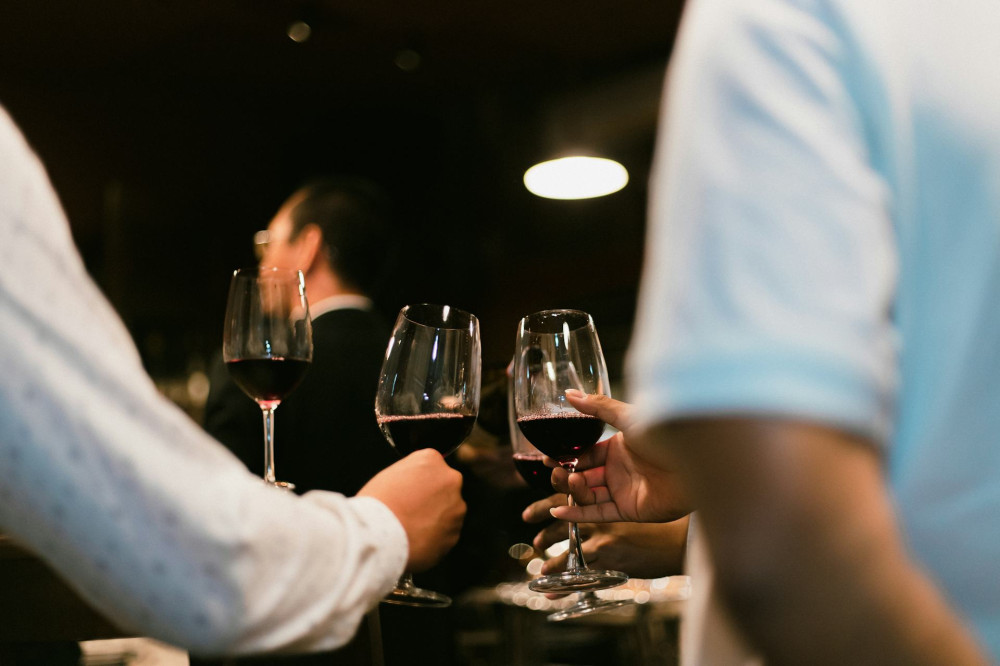
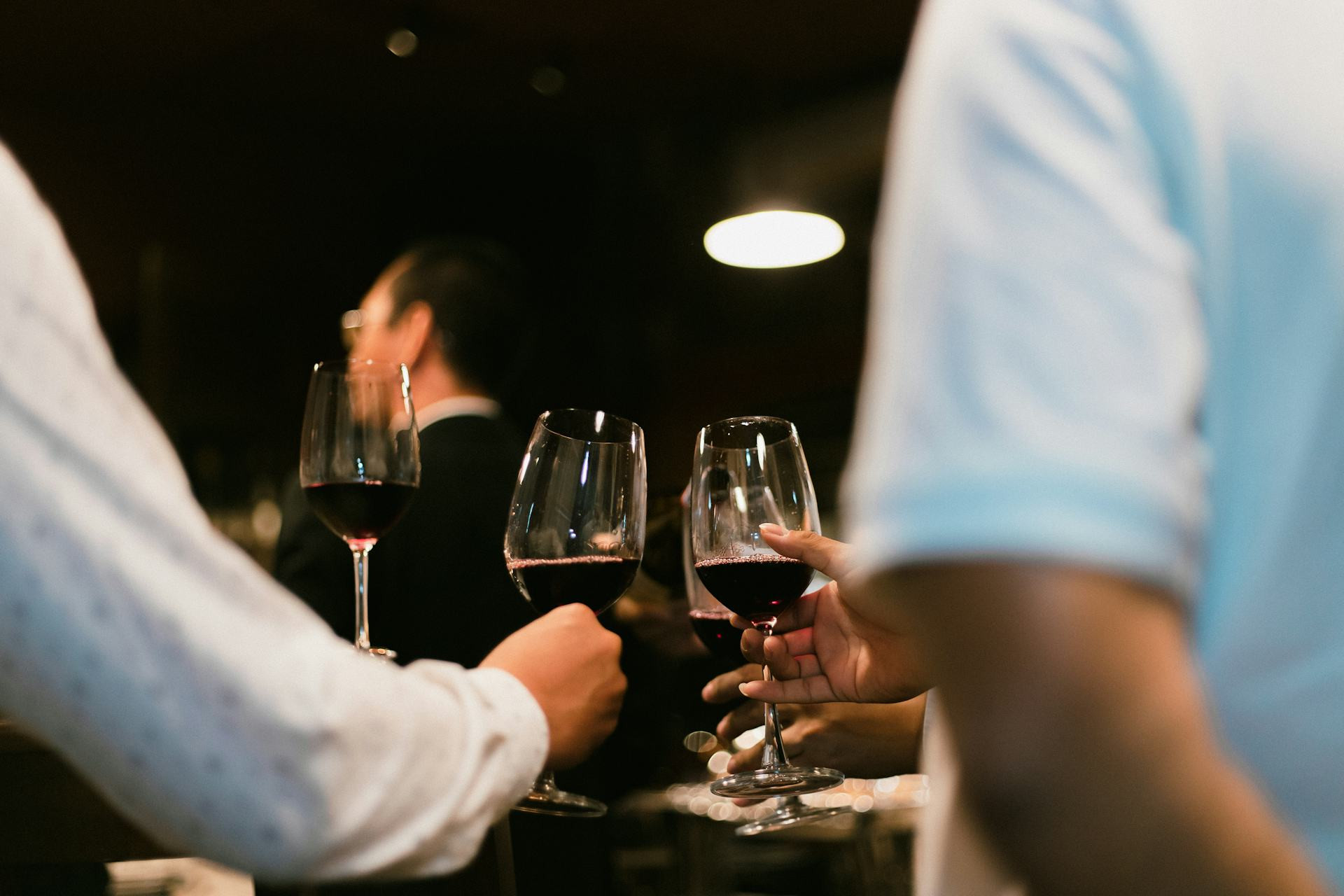
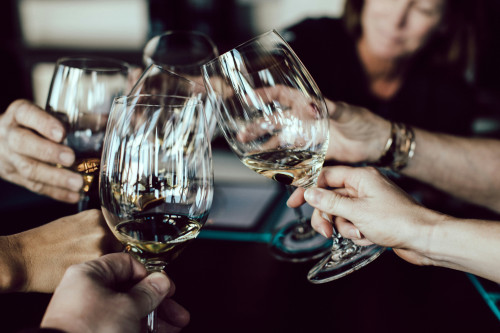
Wine tastes best when shared in good company. Set the table, light a candle, and make sure there’s time to enjoy both the wine and the people around you. If you’re hosting a tasting, choose a theme that makes comparison easy—like wines from the same grape grown in different regions.
Keep it casual: small pours, some bread and water, and plenty of room for laughter and spontaneity. The goal isn’t to find “the best wine,” but to discover how differently people experience flavor. It’s in those differences that the conversation becomes truly interesting.
Talk About Wine as Part of Life
In the end, wine is about more than grapes and tannins—it’s about culture, atmosphere, and connection. Let your wine conversations flow naturally into other topics: the food, the company, the memories tied to the moment.
Talking about wine with style doesn’t mean using fancy words. It means creating a space where everyone feels welcome to taste, share, and learn. That’s where the real wine experience happens—in the meeting of people who are open to sensing, listening, and enjoying together.
Læs også: